
Table of Contents
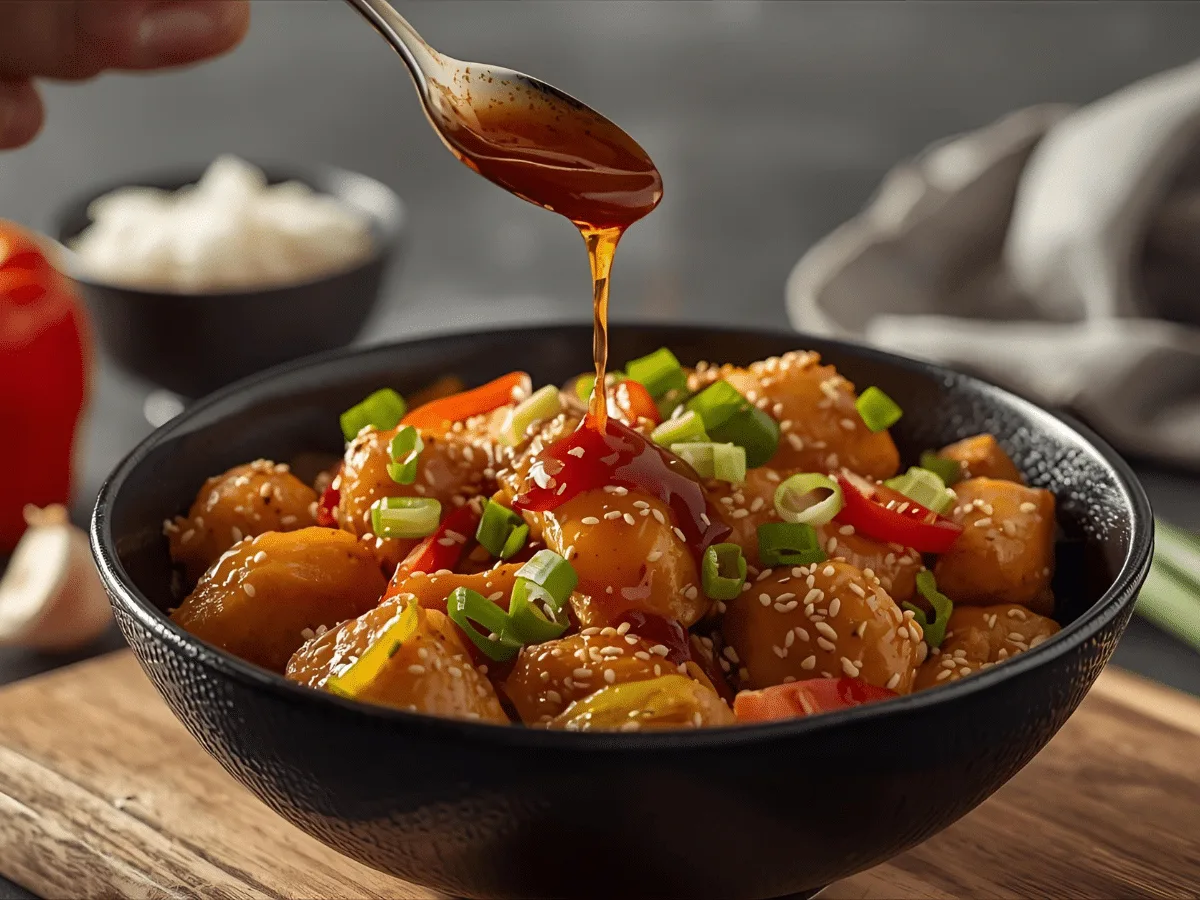
Craving the bold and savory flavors of your favorite local restaurant without the wait time or the delivery fee is entirely possible with this dish. This Best Ever Chinese Chicken recipe brings the authentic taste of a high-quality stir-fry right into your home kitchen, delivering a sensory experience that combines glossy visuals with an irresistible aroma. The dish features tender bites of protein coated in a rich, sticky glaze that perfectly balances salty and sweet notes, creating a comfort food masterpiece. It captures the essence of a cozy night in, offering a warm and satisfying meal that feels special enough for guests yet simple enough for a Tuesday night.
Quick Facts / Recipe Snapshot
This culinary gem is designed for efficiency and satisfaction, requiring only about 30 minutes from start to finish, making it a true champion of weeknight cooking. The recipe comfortably serves four hungry adults, providing a generous balance of protein and vegetables in every bowl. Rated as an easy difficulty level, it is accessible even to novice cooks who are just learning the ropes of wok cooking or skillet frying. In terms of cost, it is a budget-friendly alternative to ordering out, utilizing pantry staples like soy sauce and cornstarch alongside affordable cuts of poultry.
What Is the Best Ever Chinese Chicken?
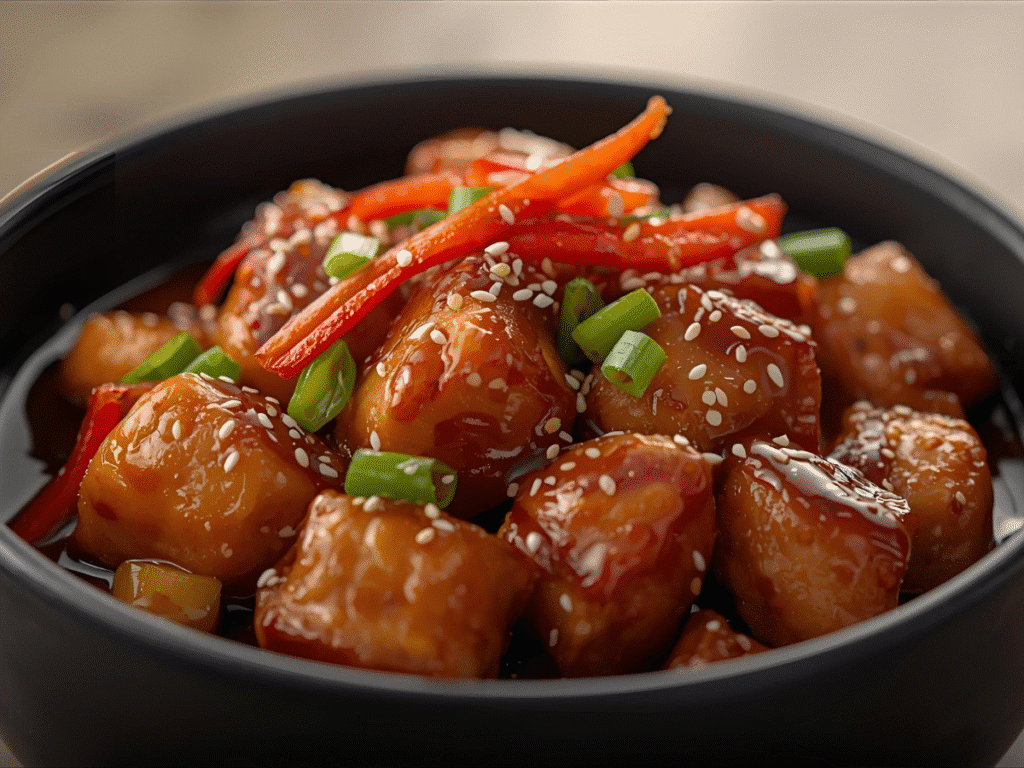
This dish is a classic American-Chinese stir-fry that emphasizes texture and a robust sauce profile over complicated techniques. It consists of bite-sized pieces of boneless chicken that are seared to golden perfection and then tossed with a colorful medley of fresh vegetables such as snow peas, bell peppers, and mushrooms. The defining characteristic is the luscious brown sauce—a mixture of soy, garlic, ginger, and a hint of sweetness—that clings to every ingredient. It bridges the gap between a traditional cashew chicken and a savory garlic chicken, offering a delightful crunch from the nuts and a tender chew from the meat.
Origins & Inspiration
While not a strictly traditional dish from mainland China, this recipe is inspired by the beloved Canton-style stir-fries that became popular in the United States during the mid-20th century. It reflects the culinary evolution of immigrant chefs who adapted their techniques to local ingredients and palates, creating a distinct and cherished cuisine known as Chinese-American food. This specific version elevates the standard takeout fare by focusing on fresh, high-quality ingredients and a homemade sauce that avoids the heavy greasiness often associated with fast food. It pays homage to the nostalgia of family dinners at the local chop suey house while embracing modern preferences for lighter, fresher meals.
Why You’ll Love This Recipe
You will fall in love with this meal because it delivers maximum flavor with minimal effort, transforming humble ingredients into a gourmet experience. The texture interplay is phenomenal, with the soft, juicy meat contrasting beautifully against the crisp-tender vegetables and the satisfying crunch of roasted cashews. It is a versatile crowd-pleaser that hits all the right notes of umami and subtle sweetness, ensuring that even picky eaters will be asking for seconds. Furthermore, the ability to control the sodium and sugar levels gives you a healthier advantage over restaurant versions, making it a guilt-free indulgence.
Ingredients & Notes
- 2 lbs Boneless Skinless Chicken Thighs: Cut into bite-sized pieces. Thighs remain juicier than breasts during high-heat cooking.
- 2 tbsp Cornstarch (for coating): Helps velvet the chicken and thickens the juices.
- 1 tbsp Soy Sauce (for coating): Adds a base layer of saltiness to the meat.
- 2 tbsp Olive Oil: For searing the meat; peanut oil or vegetable oil are good alternatives.
- 1 tsp Sesame Oil: Adds a nutty, authentic aroma.
- 1 Bell Pepper: Sliced thinly; red or green works well for color.
- 1 ½ cups Snow Peas: Fresh is best for that signature snap; remove tough strings.
- 4 oz Mushrooms: Sliced; white button or cremini add an earthy depth.
- ½ cup Cashews: Unsalted and roasted; peanuts can be a budget swap.
- 1 tsp Ginger Paste: Freshly grated root offers more zest if available.
- 2 tsp Minced Garlic: Fresh cloves are superior to powder for the stir-fry base.
- Sauce – ⅓ cup Soy Sauce: Low-sodium is recommended to control saltiness.
- Sauce – 1 ½ tsp Rice Wine Vinegar: Adds necessary acidity to cut the richness.
- Sauce – 3 tbsp White Cooking Wine: Or dry sherry; adds complexity to the glaze.
- Sauce – 2 tbsp Brown Sugar: Provides the caramel sweetness and sticky texture.
- Sauce – 1 tbsp Honey: Adds floral sweetness and gloss.
- Sauce – 1 tbsp Cornstarch: The thickening agent for the sauce.
- Sauce – 1 tbsp Olive Oil: Helps emulsify the sauce mixture.
Step-by-Step Instructions
- Coat the Chicken: In a large mixing bowl, combine the bite-sized chicken pieces with 2 tablespoons of cornstarch and 1 tablespoon of soy sauce. Toss well until every piece is evenly coated. This step helps seal in moisture and creates a nice crust.
- Prepare the Sauce: In a separate medium bowl, whisk together the sauce ingredients: 1/3 cup soy sauce, rice wine vinegar, white cooking wine, brown sugar, honey, 1 tablespoon cornstarch, and 1 tablespoon olive oil. Whisk until the sugar and cornstarch are fully dissolved and set aside.
- Sear the Chicken: Heat the olive oil and sesame oil in a large skillet or wok over medium-high heat. Add the chicken pieces in a single layer (work in batches if necessary to avoid steaming). Cook until browned on all sides and cooked through. Remove the chicken from the pan and set it aside on a plate.
- Sauté the Vegetables: In the same pan, add the sliced bell pepper, snow peas, mushrooms, and cashews. Sauté over medium heat, stirring frequently, until the vegetables are tender-crisp but still retain their bright color.
- Add Aromatics: Stir in the minced garlic and ginger paste with the vegetables. Sauté for about 30 seconds until fragrant, being careful not to burn the garlic.
- Combine and Glaze: Return the cooked chicken to the skillet with the vegetables. Give the prepared sauce a quick whisk (cornstarch may settle) and pour it over the mixture.
- Finish the Dish: Toss everything together to coat. Cook for another 1-2 minutes until the sauce bubbles and thickens into a glossy glaze that clings to the meat and veggies. Serve immediately.
Tips for Perfect Chinese Chicken Every Time
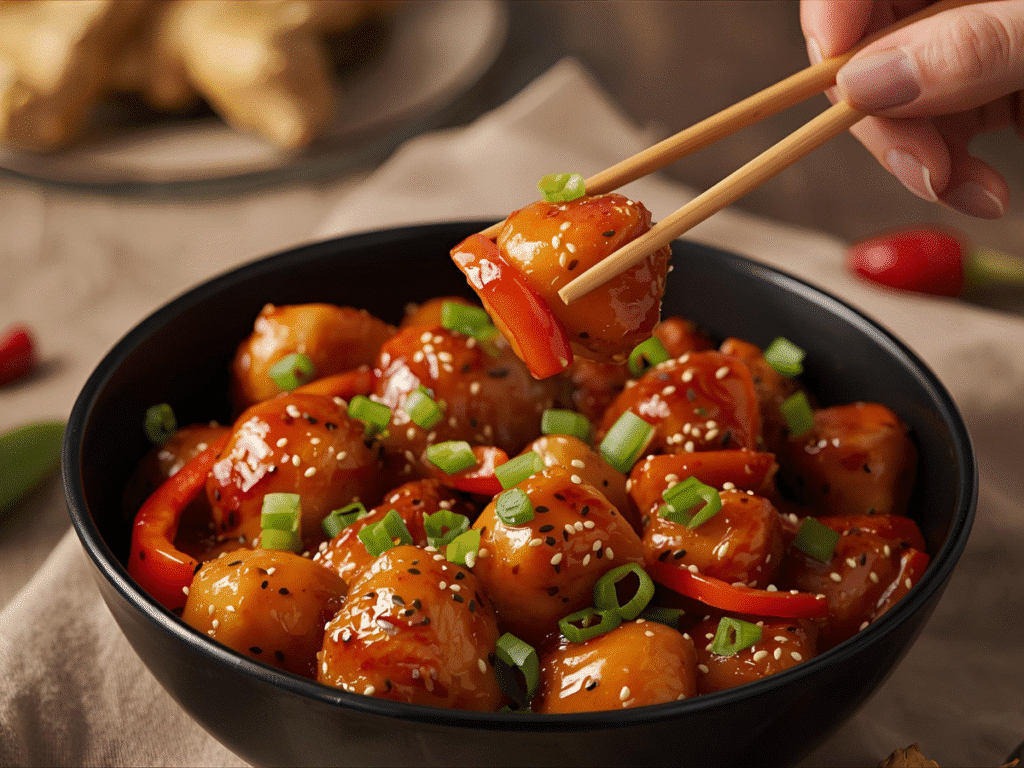
Achieving the perfect stir-fry requires managing your heat source effectively to ensure a sear rather than a steam. It is crucial to have all your ingredients chopped, measured, and ready to go before you turn on the stove, a technique known as “mise en place,” because the cooking process happens very rapidly. When cooking the protein, resist the urge to move it constantly; letting it sit for a minute allows a golden crust to form, which adds significant flavor. Finally, ensure your wok or skillet is hot enough before adding oil, as this prevents sticking and ensures that distinct “wok hei” or breath of the wok flavor.
Variations, Swaps & Add-Ins
This recipe is incredibly flexible and welcomes adaptations based on dietary needs or pantry availability. For a spicy kick, you can introduce red pepper flakes or a dollop of chili paste like sambal oelek into the sauce mixture. If you prefer different vegetables, broccoli florets, sliced carrots, or baby corn make excellent substitutions or additions that hold up well to stir-frying. Those looking for a lighter option can swap the thighs for breast meat, though care must be taken not to overcook it, or even use firm tofu for a vegetarian twist.
Ingredient Spotlight
Cashews are the unsung hero of this dish, providing a buttery crunch that contrasts with the tender meat. Originating from Brazil but a staple in Asian cuisine, they add a rich texture and a dose of healthy fats and minerals like magnesium. When toasted, their nutty flavor profile deepens, bridging the gap between the savory soy sauce and the sweet brown sugar. They are not just a garnish but an integral textural component that elevates the dish from simple to special.
Serving Suggestions (Presentation & Plating)
Serve this Chinese Chicken piping hot over a bed of fluffy white jasmine rice or brown rice to soak up the delicious extra sauce. For a more elegant presentation, garnish the finished plate with a sprinkling of toasted sesame seeds and thinly sliced green onions cut on a bias. Serving it in wide, shallow bowls allows the vibrant colors of the snow peas and peppers to pop, making the meal visually appetizing. A pair of nice chopsticks or a ceramic spoon adds an authentic touch to the dining experience.
Best Sides to Serve With Chinese Chicken
While the dish is a complete meal in itself, pairing it with complementary sides can turn it into a feast. Classic egg rolls or crispy vegetable spring rolls make for a delightful, crunchy starter that contrasts with the saucy main course. A warm bowl of egg drop soup or hot and sour soup serves as a comforting prelude that prepares the palate for the savory richness to follow. For a lighter side, a smashed cucumber salad with a vinegar dressing offers a refreshing, cool crunch that cuts through the savory glaze.
Flavor Pairing & Beverage Match
The salty and sweet profile of this dish calls for beverages that can cleanse the palate without overpowering the food. A crisp, cold lager or a light pilsner complements the savory soy elements perfectly, cutting through the richness. For wine lovers, an off-dry Riesling or a Gewürztraminer has enough acidity and fruitiness to balance the salty glaze and hint of ginger. Non-alcoholic options like hot jasmine tea or an iced oolong tea are traditional choices that aid digestion and refresh the mouth between bites.
Make-Ahead & Storage Guide
This recipe is a fantastic candidate for meal prep as the flavors often meld and deepen after sitting. To prepare ahead, chop all vegetables and mix the sauce ingredients, storing them in separate airtight containers in the fridge for up to two days before cooking. Leftovers can be stored in the refrigerator for up to three to four days in a sealed container. When reheating, it is best to use a skillet over medium heat with a splash of water to loosen the sauce, rather than the microwave, which can make the cashews soft.
Budget & Pantry Strategy
Utilizing chicken thighs instead of breasts is a smart economic move, as they are generally cheaper and more forgiving to cook. You can further stretch your budget by bulking up the dish with inexpensive seasonal vegetables like cabbage, celery, or onions. Buying rice and soy sauce in bulk quantities significantly lowers the cost per serving over time. Additionally, the cashews can be purchased in the baking aisle or bulk bins, which are often less expensive than the snack aisle options.
Scaling for a Crowd
This stir-fry is easily scalable for larger gatherings, but the key is to avoid overcrowding the pan, which leads to soggy food. If doubling the recipe for eight people, it is highly recommended to cook the chicken and vegetables in two separate batches and then combine them in a large roasting pan or serving bowl at the end. You can keep the first batch warm in a low oven while you finish the second. Simply double all ingredient quantities, but taste the sauce as you go to ensure the balance remains perfect for a larger volume.
Weeknight Workflow Planner
For a stress-free weeknight dinner, defrost your meat in the refrigerator the night before or the morning of the meal. You can mix the sauce in a jar and chop the vegetables the previous evening, storing them in the fridge so that when you come home, you only need to sear and toss. Start the rice cooker first, as the stir-fry will cook faster than the grains. By the time the rice fluffs up, your hot, fresh dinner will be ready to serve, streamlining your evening routine.
Kids & Family Friendly Adaptations
The natural sweetness from the honey and brown sugar usually makes this dish a hit with children, but you can make it even more kid-friendly by cutting the vegetables into smaller, bite-sized pieces. If your children are sensitive to textures, you might serve the veggies on the side or stick to “safe” vegetables like carrots and baby corn. Reducing the amount of ginger or garlic can also make the flavor profile milder for sensitive young palates. Serving it with noodles instead of rice is often a fun variation that appeals to younger diners.
Troubleshooting & Fixes
If you find your sauce is too thin and watery, remove the solid ingredients with a slotted spoon and let the sauce boil vigorously for another minute to reduce, or add a little more cornstarch slurry. Conversely, if the sauce becomes too thick or gluey, simply stir in a splash of water or chicken broth to reach the desired consistency. If the vegetables turn out soggy, it usually means the pan wasn’t hot enough or it was overcrowded; next time, cook in smaller batches. Burnt garlic can ruin the flavor, so if this happens, it is best to wipe the pan clean and start the aromatic step again.
Cultural or Seasonal Context
In the landscape of American dining, dishes like this represent the comfort and convenience of neighborhood Chinese takeout spots that are a staple in many communities. It is a “melting pot” recipe that brings families together, often enjoyed during casual Friday nights or weekend gatherings. While it is eaten year-round, the warming ginger and hearty sauce make it particularly satisfying during the cooler autumn and winter months. It celebrates the adaptability of Chinese cooking techniques applied to locally available Western ingredients.
FAQs
- Can I make this gluten-free? Yes, simply substitute the soy sauce with Tamari or coconut aminos and ensure your cooking wine and cornstarch are certified gluten-free.
- Can I use frozen vegetables? Absolutely, frozen stir-fry blends work well; just add them directly to the pan and cook a minute or two longer to evaporate excess moisture.
- Is this recipe spicy? As written, it is mild and savory; however, you can easily add heat with Sriracha or chili flakes to suit your preference.
- Can I use chicken breast instead? Yes, breast meat works fine, but be careful not to overcook it as it dries out faster than thighs.
Love this recipe? Discover even more!
Explore my Pinterest boards for a world of delicious recipes, fresh ideas, and inspiring flavors. Click here and start pinning your next favorite dish! ➜https://www.pinterest.com/ElitesRecipes/
PrintBest Ever Chinese Chicken Recipe (Better Than Takeout)
A better-than-takeout Chinese Chicken stir-fry featuring tender chicken thighs, crunchy cashews, and snow peas in a savory soy-garlic glaze. Ready in 30 minutes.
- Prep Time: 15 minutes
- Cook Time: 15 minutes
- Total Time: 30 minutes
- Yield: 4 servings
- Category: Dinner
- Method: Stir-Fry
- Cuisine: Chinese-American
Ingredients
2 lbs boneless skinless chicken thighs, cut into bite-sized pieces
2 tbsp cornstarch
1 tbsp soy sauce
2 tbsp olive oil
1 tsp sesame oil
1 bell pepper, sliced
1 1/2 cups snow peas
4 oz mushrooms, sliced
1/2 cup cashews
1 tsp ginger paste
2 tsp minced garlic
1/3 cup soy sauce (for sauce)
1 1/2 tsp rice wine vinegar
3 tbsp white cooking wine
2 tbsp brown sugar
1 tbsp honey
1 tbsp cornstarch (for sauce)
1 tbsp olive oil (for sauce)
Instructions
1. Coat the chicken with 2 tbsp cornstarch and 1 tbsp soy sauce in a bowl.
2. Whisk together sauce ingredients: 1/3 cup soy sauce, vinegar, wine, sugar, honey, 1 tbsp cornstarch, and 1 tbsp olive oil.
3. Heat oils in a skillet over medium-high heat.
4. Cook chicken until browned and cooked through; remove and set aside.
5. Sauté bell pepper, snow peas, mushrooms, and cashews until tender-crisp.
6. Add garlic and ginger; sauté for 30 seconds.
7. Return chicken to the pan and pour in the sauce.
8. Cook for 1-2 minutes until the sauce thickens and glazes everything.
9. Serve hot over rice.
Notes
Use low-sodium soy sauce to control saltiness.
Chicken breast can be substituted for thighs.
Add red pepper flakes for a spicy kick.