
Table of Contents
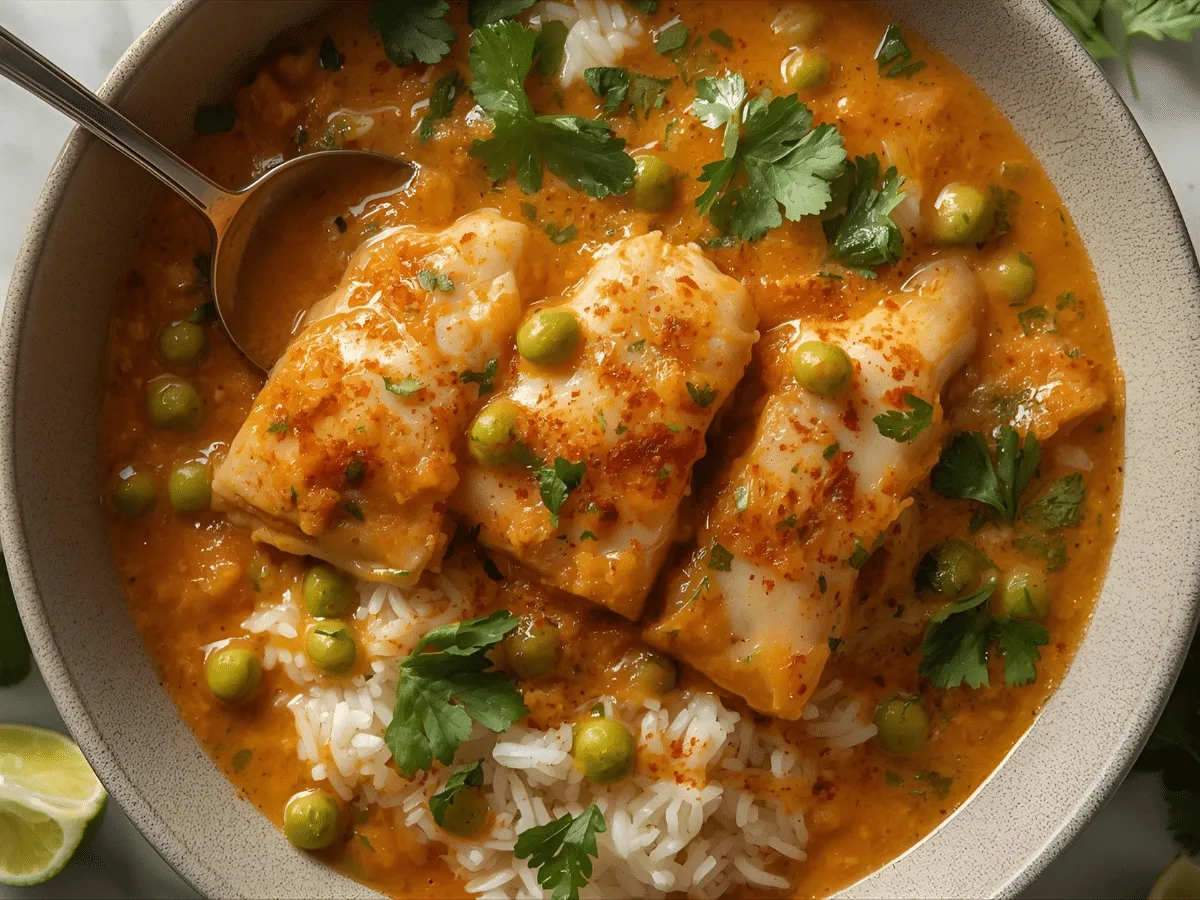
Imagine a dish that captures the vibrant spirit of tropical Brazil in a single bowl. Moqueca Brazilian Fish Stew is exactly that—a luscious, fragrant masterpiece that balances the richness of coconut milk with the brightness of fresh lime and the earthiness of sweet peppers. This isn’t just a stew; it is a sensory escape to the coastal state of Bahia. Unlike heavier winter chowders, this Moqueca recipe remains light yet satisfying, offering a velvety sauce that demands to be soaked up with rice. It is the perfect introduction to Brazilian Dinner Recipes, bringing exotic dishes into your home kitchen with surprising ease.
Quick Facts / Recipe Snapshot
- Total Time: 35 Minutes
- Servings: 4–6
- Difficulty: Easy / Beginner Friendly
- Estimated Cost: Moderate ($15–$25 depending on fish choice)
- Dietary: Gluten-Free, Dairy-Free, Pescatarian
- Key Flavors: Coconut, Lime, Cilantro, Tomato
What Is Moqueca Brazilian Fish Stew?
Moqueca Brazilian Fish Stew (pronounced mo-KEH-kah) is a traditional seafood stew characterized by its vibrant orange-red hue and creamy consistency. It is traditionally cooked in a clay pot called a panela de barro, which retains heat and intensifies the flavors. The stew typically features firm white fish (and often shrimp) gently poached in a broth made from coconut milk, diced tomatoes, onions, garlic, and bell peppers. It is similar in comfort to a Tomato Fish Curry but with a distinct South American profile that sets it apart from Indian or Thai curries.
Origins & Inspiration
The roots of Moqueca Brazilian Fish Stew run deep into Brazilian history, representing a fusion of Indigenous, African, and Portuguese cultures. The version we are making today is Moqueca Baiana, from the state of Bahia, which is famous for its use of coconut milk and dendê oil (red palm oil). Indigenous influence brings the clay pot cooking method, while African influence introduces the rich coconut milk and palm oil. This dish is more than just food; it is a celebration of heritage. While some might compare it to a Lemon Herb Fish Stew or a Mediterranean soup, the unique combination of ingredients makes it a standout among Fish Stew Recipes.
Why You’ll Love This Recipe
You will fall in love with this Moqueca Brazilian Fish Stew because it delivers high-impact flavor with minimal effort. The sauce is luxuriously creamy without using any dairy, making it perfect for various dietary needs. It transforms humble ingredients like frozen fish or canned tomatoes into a gourmet meal that looks beautiful on the table. The contrast of the bright red peppers and green cilantro against the golden broth makes for stunning Food Plating. Plus, it is versatile—you can easily adapt it into a Prawn And Fish Recipes variation or keep it simple with just fish.
Ingredients & Notes
- 1.5 lbs Firm White Fish: (Cod, Halibut, Sea Bass, or Mahi Mahi). Cut into 2-inch chunks. Essential for holding shape.
- 3 cloves of Garlic: Minced. Used in both the marinade and the stew base.
- 2 tbsp Lime Juice: Freshly squeezed. For marinating the fish and finishing the stew.
- Salt & Black Pepper: Generous amounts to season the fish and veggies.
- 2 tbsp Olive Oil: Or Coconut Oil for sautéing.
- 1 Onion: Yellow or white, finely chopped.
- 1 Red Bell Pepper: Sliced into rings or strips. Adds sweetness and color.
- 1 Yellow Bell Pepper: Sliced. Adds visual contrast.
- 2 cups Tomatoes: Chopped fresh or 1 can (14 oz) diced tomatoes.
- 1 tbsp Paprika: Sweet or smoked, for deep color.
- 1 tsp Cumin: Adds a warm, earthy backdrop.
- 1 can (14 oz) Coconut Milk: Full-fat is best for that signature creamy texture.
- 1/2 cup Cilantro: Freshly chopped. Divided for cooking and garnish.
- Optional: 1 tbsp Dendê Oil (Red Palm Oil) for authentic Bahian flavor.
Step-by-Step Instructions
- Marinate the Fish: In a medium bowl, combine the fish chunks with minced garlic, half of the lime juice, salt, and pepper. Toss gently to coat. Let this sit in the refrigerator for at least 15–20 minutes while you prep the vegetables. This step ensures every bite of your Moqueca Brazilian Fish Stew is seasoned through.
- Sauté Aromatics: Heat the olive oil in a large pot, Dutch oven, or deep skillet over medium heat. Add the chopped onions and sauté until translucent and soft, about 5 minutes.
- Build the Vegetable Base: Add the sliced red and yellow bell peppers and the diced tomatoes. Stir well. Sprinkle with paprika and cumin. Cook for another 5 minutes until the peppers begin to soften, and the tomatoes release their juices, creating a rich base similar to a Fish Curry in Tomato Sauce.
- Create the Broth: Pour in the coconut milk. Stir gently to combine everything into a vibrant orange-pink broth. Bring the mixture to a gentle simmer.
- Poach the Fish: Remove the fish from the marinade and nestle the pieces gently into the simmering stew. Pour any remaining marinade juices into the pot. If using shrimp, add them now as well.
- Simmer: Cover the pot and reduce the heat to low. Let it simmer gently for about 10–15 minutes, or until the fish flakes easily with a fork and is opaque. Avoid vigorous boiling to keep the fish tender.
- Finish and Serve: Stir in the remaining lime juice and the chopped cilantro. Taste and adjust salt if needed. If you have Dendê oil, drizzle it over the top now. Serve hot directly from the pot.
Tips for Perfect Moqueca Brazilian Fish Stew Every Time
To ensure your Moqueca Brazilian Fish Stew is flawless, choose the right fish. Avoid delicate fish like flounder or tilapia that might disintegrate; stick to hearty fillets like cod or halibut. If using frozen fish, thaw it completely and pat it dry before marinating to avoid watering down the rich coconut sauce. For an authentic touch, don’t skip the lime—acid is crucial to cut through the richness of the coconut milk. If you can’t find Dendê oil, a splash of annatto oil or extra paprika can mimic the color, though the flavor is unique.
Variations, Swaps & Add-Ins
This recipe is incredibly flexible.
- Seafood Lovers: Add shrimp, scallops, or mussels to turn this into a deluxe Seafood Stew.
- Veggie Boost: Add diced carrots, sweet potatoes, or even Grilled Asparagus on the side for extra texture.
- Spicy Kick: Add a minced jalapeño or malagueta pepper if you like heat, making it resemble a spicy Tomato Coconut Curry With Cod.
- Budget Friendly: Use a mix of cheaper white fish and even canned mackerel for a Canned Mackerel Fish Recipes twist that is surprisingly tasty.
Ingredient Spotlight
Coconut Milk is the heart of this dish. In Brazil, it transforms simple ingredients into Coconut Milk Recipes that are world-renowned. It provides healthy fats and a silky mouthfeel that dairy simply cannot replicate. Combined with Tomatoes, it creates a unique emulsion that is savory, slightly sweet, and acidic all at once. This combination is a staple in Bahian cuisine and offers a lighter alternative to heavy cream-based chowders.
Serving Suggestions (Presentation & Plating)
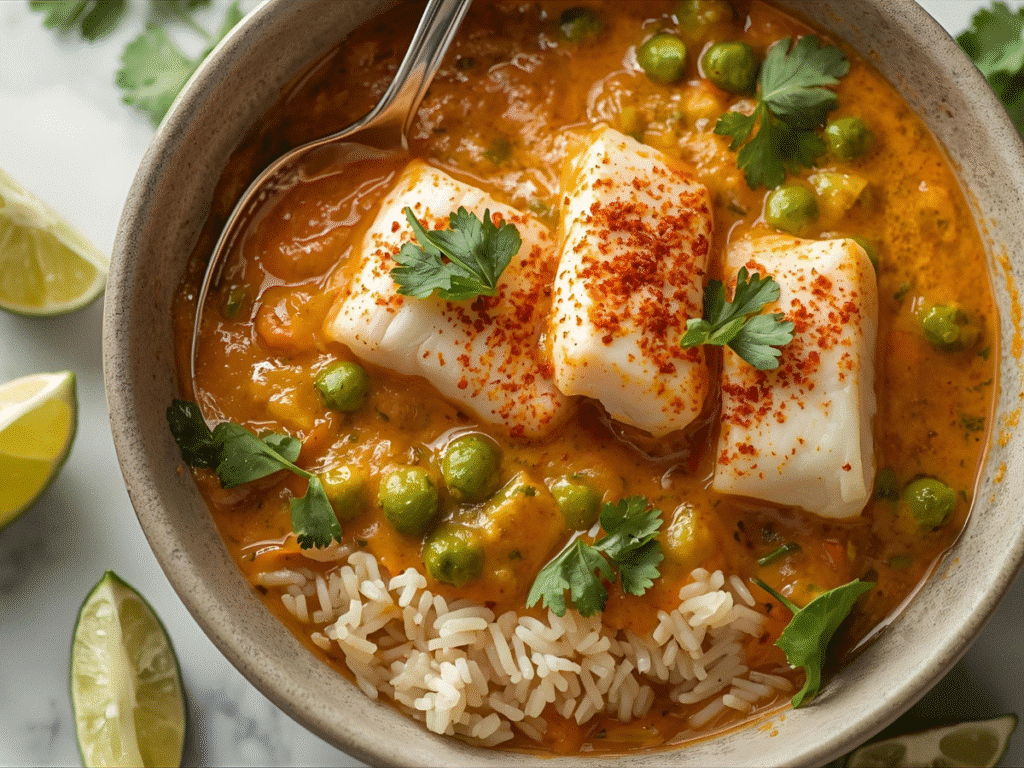
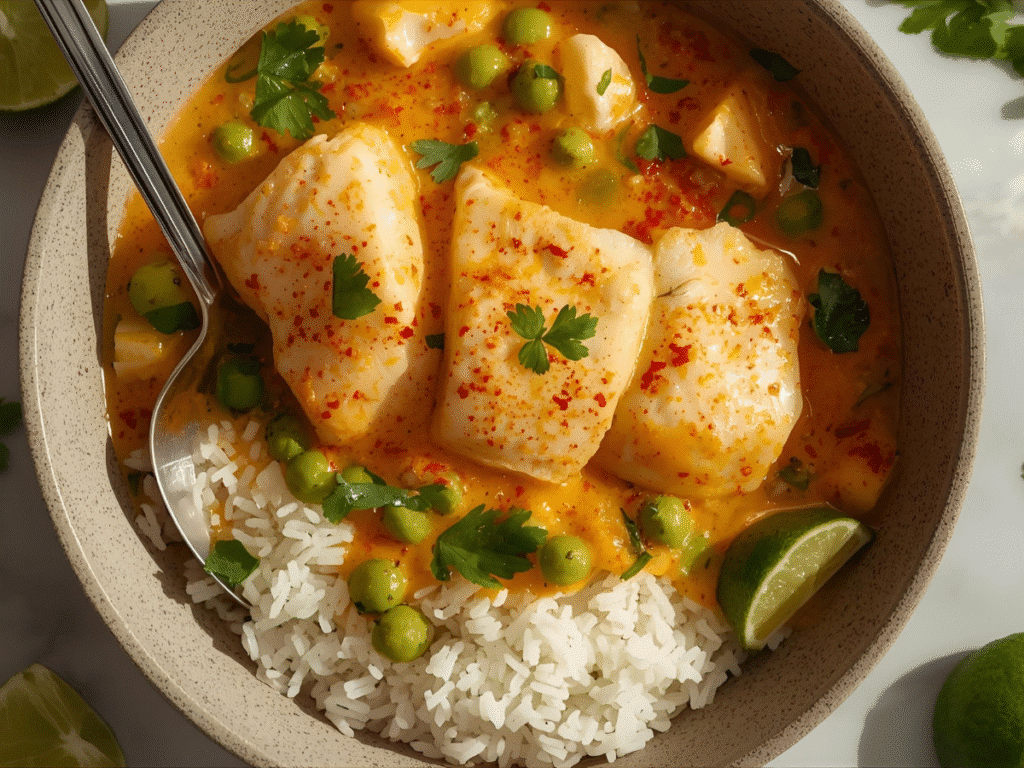
Serve your Moqueca Brazilian Fish Stew in wide, shallow bowls to show off the colorful peppers and fish chunks. A garnish of fresh cilantro and lime wedges is essential. Traditionally, it is served with Pirão (a mush made from the stew broth and cassava flour) or fluffy white rice. For a modern twist, serve it over cauliflower rice or with a side of fried plantains to enhance the tropical vibe. The contrast of the yellow plantains against the reddish stew makes for beautiful Food Plating.
Best Sides to Serve With Moqueca Brazilian Fish Stew
- White Rice: The classic vehicle for soaking up the sauce.
- Farofa: Toasted cassava flour mixture, adding a nice crunch.
- Fried Plantains: Their sweetness pairs perfectly with the savory stew.
- Green Salad: A crisp salad with a vinaigrette helps cleanse the palate.
- Crusty Bread: Great for dipping if you aren’t strictly traditional.
Flavor Pairing & Beverage Match
The rich and tangy profile of Moqueca Brazilian Fish Stew pairs beautifully with crisp, acidic white wines like Sauvignon Blanc or a Portuguese Vinho Verde. For a non-alcoholic option, a sparkling limeade or fresh coconut water complements the tropical notes of the stew perfectly. If you enjoy beer, a light lager or pilsner works well to cut through the creaminess of the coconut milk.
Make-Ahead & Storage Guide
Moqueca Brazilian Fish Stew stores surprisingly well. You can prepare the vegetable base (onions, peppers, tomatoes, and coconut milk) a day in advance and store it in the fridge. When ready to serve, simply heat the base and poach the fish fresh. Leftovers can be stored in an airtight container in the refrigerator for up to 2 days. Reheat gently on the stove; do not boil, or the fish may become rubbery. Freezing is possible, but it may alter the texture of the coconut milk slightly.
Budget & Pantry Strategy
This dish is a champion of Budget & Pantry Strategy. You can easily use frozen fish fillets, which are often cheaper than fresh. Canned tomatoes and canned coconut milk are pantry staples that form the bulk of the sauce. If fresh peppers are expensive, frozen pepper strips work just as well. You can even stretch the protein by adding a can of chickpeas or extra potatoes, making this a very economical choice among Fish Stew Recipes.
Scaling for a Crowd
To feed a larger group, simply double the vegetable base and liquid amounts. You can cook this in a large stockpot or even a slow cooker (add fish in the last 30 minutes). It is an excellent dish for entertaining because it requires minimal last-minute fuss—just poaching the fish before guests arrive. It scales effortlessly from a family dinner to a dinner party for 10.
Weeknight Workflow Planner
For a stress-free weeknight dinner, chop your onions and peppers the night before or in the morning. Mix the marinade ingredients in a jar so they are ready to go. When you get home, get the rice cooking first. Then, marinate the fish while you sauté the pre-cut veggies. By the time the rice is fluffy, your Moqueca Brazilian Fish Stew will be simmered to perfection. Total active time can be kept under 20 minutes with this prep.
Kids & Family Friendly Adaptations
If your kids are sensitive to “spicy” looking foods, assure them the red color comes from sweet paprika and tomatoes, not chili. You can blend the vegetable sauce before adding the fish if they are picky about chunks of onions or peppers. The creamy, sweet coconut flavor usually appeals to children. You can also cut the fish into smaller, bite-sized “nuggets” that are easier for little ones to manage.
Troubleshooting & Fixes
- Stew too thin? Let it simmer uncovered for a few extra minutes to reduce, or mash a few pieces of cooked potato into the sauce to thicken it naturally.
- Fish falling apart? You likely stirred too vigorously. Use a gentle folding motion or simply shake the pot instead of stirring.
- Flavor too flat? Add another squeeze of lime juice and a pinch of salt. The acid is key to waking up the coconut flavors.
- Sauce separated? This can happen if boiled too hard. Reduce the heat to a bare simmer and whisk in a teaspoon of warm water or coconut cream to bring it back together.
Cultural or Seasonal Context
While Moqueca is eaten year-round in Brazil, it feels especially appropriate for summer dinners due to its tropical ingredients, or during Lent and Easter when many people seek out Seafood Stew options. It captures the essence of Afro-Brazilian culture, serving as a culinary bridge between continents. Hosting a Brazilian-themed dinner party with this stew as the centerpiece is a great way to explore Exotic Dishes.
FAQs
1. Can I use frozen fish? Yes, absolutely. Just ensure it is fully thawed and patted dry so it doesn’t release excess water into the stew.
2. Is this spicy? Not traditionally. The base uses sweet peppers and paprika. Heat is usually added individually with hot sauce or malagueta peppers.
3. Can I make this without coconut milk? Technically, yes, but it would become a Moqueca Capixaba (from Espírito Santo state), which uses water and oil instead. For the creamy Baiana style, coconut milk is essential.
4. What if I don’t have a clay pot? A Dutch oven, cast-iron skillet, or any heavy-bottomed pot works perfectly fine.
Love this recipe? Discover even more!
Explore my Pinterest boards for a world of delicious recipes, fresh ideas, and inspiring flavors. Click here and start pinning your next favorite dish! ➜https://www.pinterest.com/ElitesRecipes/
PrintSimple Moqueca Brazilian Fish Stew with Coconut and Lime
A vibrant and creamy authentic Brazilian Fish Stew (Moqueca) made with firm white fish, coconut milk, lime, and bell peppers. This easy seafood stew brings the tropical flavors of Bahia straight to your kitchen in just 35 minutes.
- Prep Time: 20 minutes
- Cook Time: 15 minutes
- Total Time: 35 minutes
- Yield: 4 servings
- Category: Dinner
- Method: Stovetop
- Cuisine: Brazilian
Ingredients
1.5 lbs firm white fish (cod, halibut, or sea bass), cut into 2-inch pieces
3 cloves garlic, minced
2 tbsp fresh lime juice, divided
1/2 tsp salt, plus more to taste
1/2 tsp black pepper
2 tbsp olive oil (or coconut oil)
1 medium onion, chopped
1 red bell pepper, sliced
1 yellow bell pepper, sliced
2 cups chopped tomatoes (fresh or canned)
1 tbsp paprika (sweet or smoked)
1 tsp ground cumin
1 can (14 oz) full-fat coconut milk
1/2 cup fresh cilantro, chopped
1 tbsp Dendê oil (red palm oil) – optional
Instructions
1. In a bowl, toss fish with garlic, 1 tbsp lime juice, salt, and pepper. Marinate in the fridge for 20 minutes.
2. Heat olive oil in a large pot over medium heat. Sauté onions for 5 minutes until soft.
3. Add bell peppers, tomatoes, paprika, and cumin. Cook for 5 minutes until veggies soften.
4. Pour in the coconut milk and bring the mixture to a gentle simmer.
5. Nestle the marinated fish pieces into the stew. Cover and simmer on low for 10-15 minutes until fish is cooked through.
6. Stir in remaining lime juice and cilantro. Drizzle with Dendê oil if using.
7. Serve hot with white rice.
Notes
Use full-fat coconut milk for the best creamy texture.
If you can’t find Dendê oil, the stew is still delicious without it.
Add shrimp in the last 5 minutes of cooking for a seafood variation.
Store leftovers in the fridge for up to 2 days; reheat gently to avoid overcooking the fish.