
Table of Contents
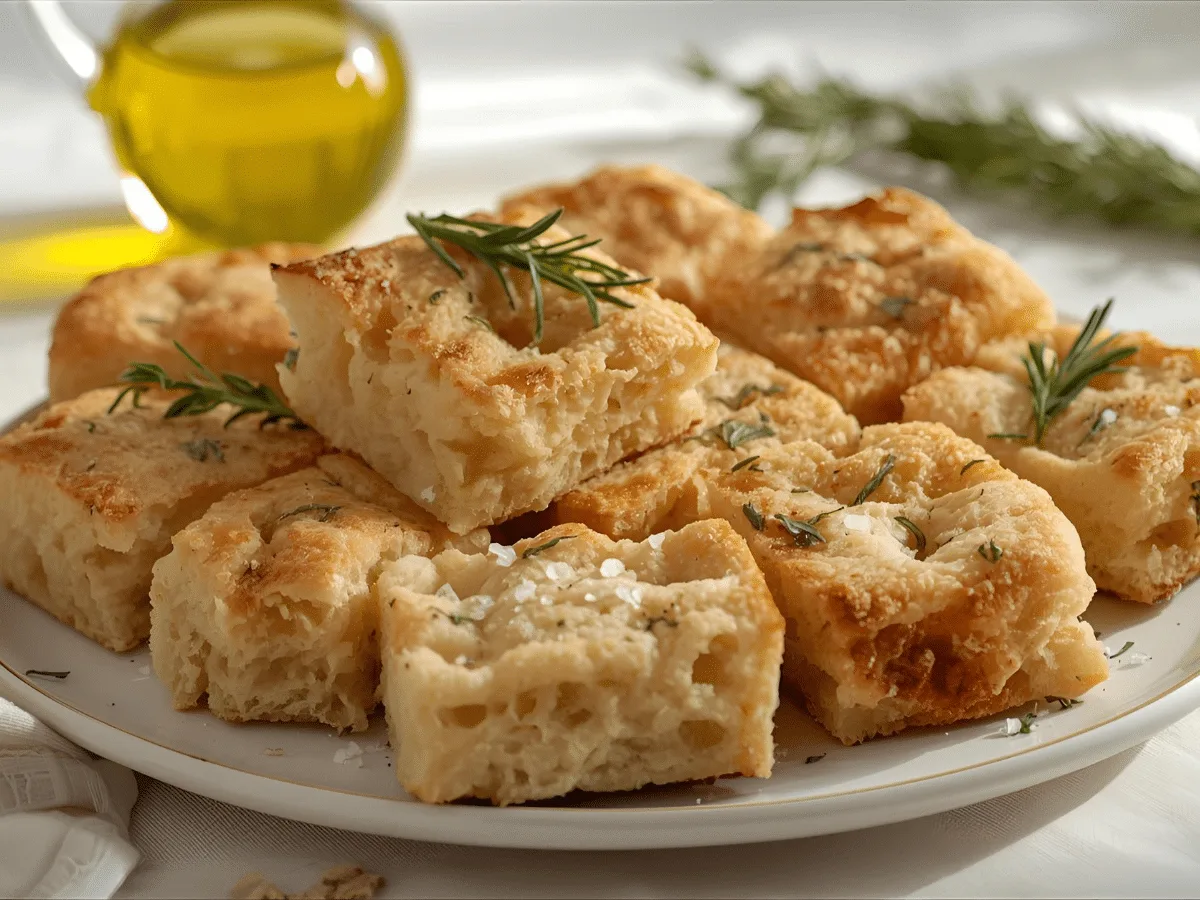
Imagine pulling a golden, bubbling tray from your oven, the scent of toasted yeast and fruity olive oil filling your kitchen. This sourdough focaccia bread recipe is more than just a side dish; it is a sensory experience that celebrates the magic of wild fermentation. Unlike dense store-bought loaves, this homemade version offers a contrast of textures that is truly addictive—a shatteringly crisp bottom fried in high-quality olive oil meeting a pillowy, cloud-like interior. Whether you are a seasoned baker or just reviving your starter, this recipe is designed to be forgiving and rewarding. It captures the rustic charm of Italian baking while utilizing the complex tang of sourdough to elevate the flavor profile. It is the perfect centerpiece for a family dinner or a comforting snack on its own.
Quick Facts / Recipe Snapshot
This sourdough focaccia bread recipe is a project of patience that pays off in flavor.
- Total Time: ~24 hours (mostly passive rising time)
- Active Prep: 20 minutes
- Yield: One 9×13-inch pan (approx. 12 slices)
- Difficulty: Beginner/Intermediate
- Dietary: Vegan, Dairy-Free, Egg-Free
- Cost Estimate: Very Low (< $3 for the whole tray)
- Key Feature: High hydration for maximum bubbles
What Is Sourdough Focaccia Bread?
At its heart, this sourdough focaccia bread recipe is a high-hydration Italian flatbread leavened naturally with a sourdough starter instead of commercial yeast. The “high hydration” means there is a high ratio of water to flour, which creates the signature large, irregular holes (the “crumb”) and a soft, chewy texture. It is similar to pizza dough but much thicker and lighter. The sourdough culture adds a subtle acidity and depth of flavor that balances the richness of the olive oil. It is a bread that demands to be touched—dimpled with fingers to create little wells that catch oil, salt, and herbs.
Origins & Inspiration
Focaccia has ancient roots in Mediterranean cuisine, likely dating back to the Etruscans or Greeks, but it is most famous as a staple of Liguria, Italy. While traditional Genoese focaccia is often made with brewer’s yeast, our sourdough focaccia bread recipe taps into the older tradition of natural leavening. This version is inspired by the modern artisan bread movement in the USA, which prioritizes long, cold fermentations to unlock the nutrients in the grain and develop a superior flavor. It bridges the gap between Old World Italian simplicity and the contemporary passion for sourdough maintenance.
Why You’ll Love This Recipe
You will fall in love with this sourdough focaccia bread recipe because it fits seamlessly into a busy schedule. The bulk of the work happens while you sleep; the refrigerator does the heavy lifting of developing gluten and flavor.
- Texture: It achieves the “holy grail” of bread baking—crispy oil-fried crust outside, soft and airy inside.
- Simplicity: No stand mixer is required. The simple “stretch and fold” technique is easy to master.
- Versatility: It serves as a blank canvas for your favorite toppings, from simple sea salt to elaborate garden-scapes.
Ingredients & Notes
- 150g Active Sourdough Starter: This must be bubbly and fed 4-12 hours prior. It replaces commercial yeast entirely in this sourdough focaccia bread recipe.
- 500g Bread Flour: High protein content is crucial for structure and chew. Note: All-purpose flour can work, but will yield a softer, less chewy crumb.
- 375g Water (Filtered): Warm water (around 80°F/27°C) helps kickstart fermentation.
- 10g Sea Salt: Essential for flavor and tightening the gluten network.
- 50g Extra Virgin Olive Oil: Use the highest quality you can afford; this provides the signature flavor. Divided for the dough and the pan.
- Fresh Rosemary (Optional): Woody herbs hold up best to the high heat.
- Flaky Sea Salt (Optional): For finishing; adds a delightful crunch.
Step-by-Step Instructions
- Mix the Dough: In a large bowl, whisk the active sourdough starter with the water until milky. Add the flour and mix by hand until a shaggy dough forms. Cover and let it rest (autolyse) for 30 minutes.
- Add Salt & Oil: Sprinkle the salt over the dough and add about 10g of the olive oil. Squeeze the dough with your hand to incorporate the ingredients thoroughly.
- Stretch and Fold: Cover the bowl. Over the next 2-3 hours, perform 4 sets of “stretch and folds” every 30-45 minutes. To do this, grab one side of the dough, pull it up, and fold it over the center. Rotate the bowl and repeat for all four sides. This builds strength in your sourdough focaccia bread recipe.
- Bulk Fermentation: Let the dough rise at room temperature until it has increased in volume by about 50%. It should look bubbly and jiggly.
- Cold Proof: Generously oil a 9×13-inch baking pan. Transfer the dough into the pan. Flip it once to coat in oil. Cover tightly and refrigerate overnight (12-18 hours).
- Second Rise: Remove the pan from the fridge 2-3 hours before baking. Let the dough come to room temperature and puff up to fill the pan.
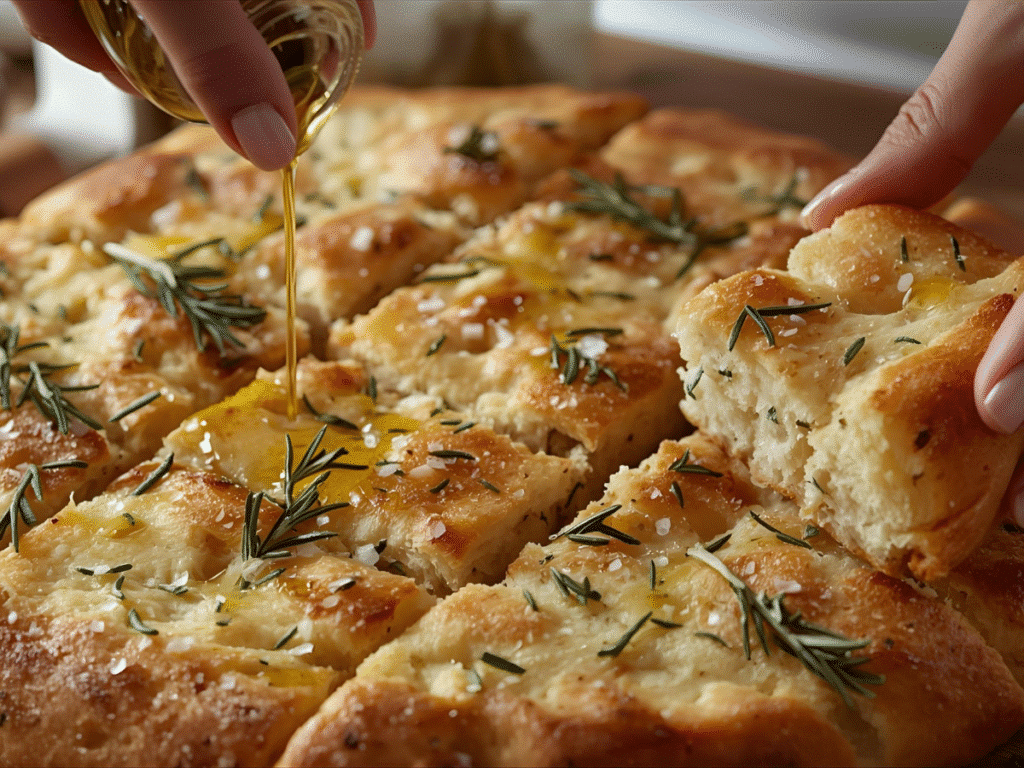
- Dimple & Top: Preheat oven to 450°F (230°C). Drizzle the remaining olive oil over the dough. With oiled fingers, press straight down to create deep dimples (don’t poke through the bottom). Add rosemary and flaky salt.
- Bake: Bake for 20-25 minutes until deep golden brown. Let cool on a wire rack for at least 15 minutes to prevent the crumb from becoming gummy.
Tips for a Perfect Sourdough Focaccia Bread Recipe Every Time
Success with this sourdough focaccia bread recipe relies on handling the fermentation correctly.
- Watch the Dough, Not the Clock: Ambient temperature affects rising time. If your kitchen is cold, the bulk rise will take longer.
- Don’t Pop the Bubbles: When transferring the dough to the pan or dimpling, be gentle. You want to preserve the gas created by the yeast.
- Generous Oil: Do not skimp on the olive oil in the pan. It essentially “fries” the bottom crust, creating that irresistible crunch.
- Steam: Spraying the oven with water when you first put the bread in can help achieve a better oven spring.
Variations, Swaps & Add-Ins
This sourdough focaccia bread recipe is incredibly adaptable.
- Garlic Butter: Swap olive oil topping for melted garlic butter for a Garlic Foccacia Sourdough Bread experience.
- Cheese: Cubes of mozzarella or cheddar pressed into the dough create gooey pockets of joy.
- Vegetables: Cherry tomatoes, olives, or caramelized onions make for a hearty Sourdough Recipes Inclusions option.
- Sweet: Top with grapes and sprinkle sugar for a traditional dessert-style focaccia.
Ingredient Spotlight
Sourdough Starter: The soul of this sourdough focaccia bread recipe. Unlike commercial yeast, which is a monoculture, a sourdough starter is a symbiotic culture of bacteria and wild yeast. The bacteria (lactobacilli) produce lactic and acetic acids, which give the bread its tang and also pre-digest the gluten, making sourdough focaccia bread potentially easier to digest for those with mild sensitivities. It transforms simple flour and water into a complex, nutritious food.
Serving Suggestions (Presentation & Plating)
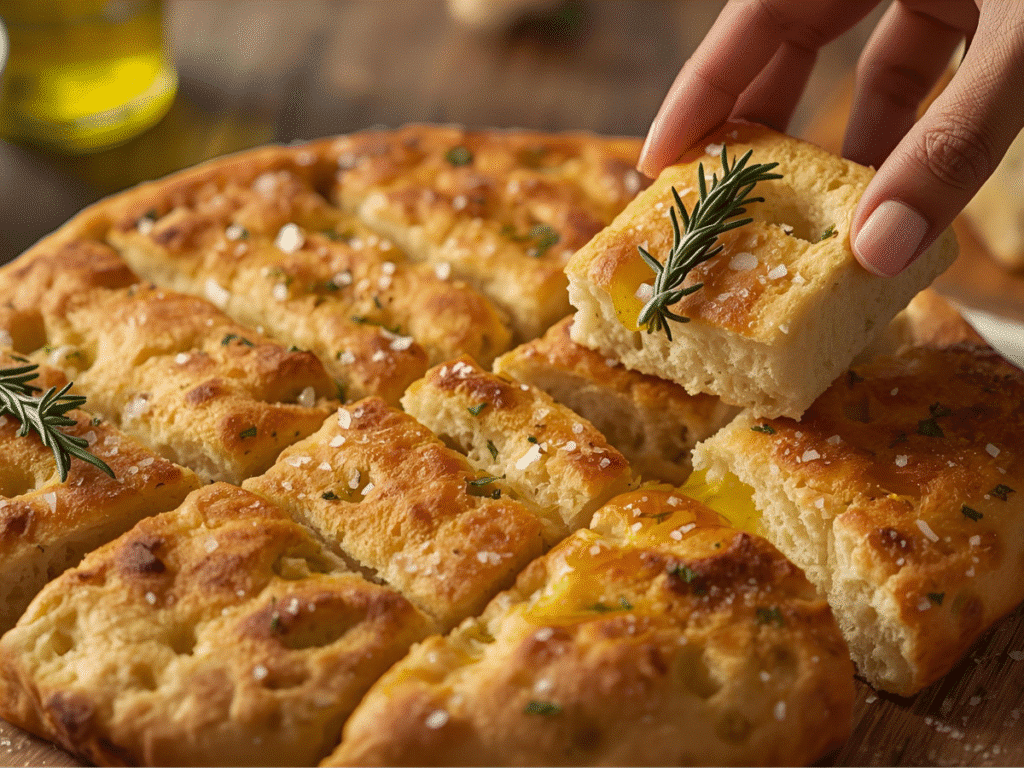
Serve this sourdough focaccia bread recipe straight from the oven (after a short cool) for the best texture. Place the whole slab on a rustic wooden board and use a bread knife to cut it into squares or rectangles tableside. The sound of the crust crunching is part of the presentation. A small bowl of balsamic vinegar and extra virgin olive oil for dipping is the classic accompaniment.
Best Sides to Serve With Sourdough Focaccia
This bread pairs beautifully with:
- Soups: Creamy tomato basil soup or a hearty Minestrone.
- Salads: A crisp Arugula salad with parmesan shavings and lemon vinaigrette.
- Pasta: Use it to mop up the sauce from a classic Marinara or Alfredo.
- Charcuterie: It is the perfect anchor for a board of cheeses, olives, and fruits (avoiding cured pork products per dietary preference).
Flavor Pairing & Beverage Match
The acidity of the sourdough and the richness of the olive oil in this sourdough focaccia bread recipe call for beverages with high acidity or crispness.
- Wine: A crisp Pinot Grigio, Sauvignon Blanc, or a light Chianti pairs perfectly.
- Non-Alcoholic: Sparkling water with a twist of lemon, or an iced herbal tea with rosemary infusion, echoes the flavors of the bread.
Make-Ahead & Storage Guide
- Make-Ahead: You can leave the dough in the fridge for up to 48 hours to deepen the flavor. This makes it a perfect, flexible recipe for busy weeks.
- Storage: Store leftover sourdough focaccia bread in an airtight container at room temperature for up to 2 days.
- Freezing: Wrap slices tightly in foil and place in a freezer bag for up to a month.
- Reheating: Always reheat in a toaster oven or oven at 350°F for 5 minutes to restore the crispy crust. Microwaving will make it chewy and tough.
Budget & Pantry Strategy
This sourdough focaccia bread recipe is an economical champion. Flour and water are pennies per serving.
- Oil: While good oil is recommended, you can mix a high-quality oil with a neutral oil for the pan to save money.
- Herbs: Grow your own rosemary or thyme in a windowsill pot to have free toppings year-round.
- Leftovers: Stale focaccia makes the best croutons or breadcrumbs for other meals, ensuring zero waste.
Scaling for a Crowd
To feed a larger group, you do not need to change the process, just the volume.
- Double Batch: You can double the ingredients of this sourdough focaccia bread recipe and divide the dough between two 9×13 pans or use one large commercial sheet pan (18×13).
- Timing: The bulk fermentation time remains roughly the same, but handling larger amounts of dough might require a bigger bowl.
Weeknight Workflow Planner
- Day 1 (Morning/Afternoon): Feed your starter.
- Day 1 (Evening): Mix dough, stretch and fold (active time ~15 mins spread over 2 hours). Put in fridge before bed.
- Day 2 (Dinner): Take the dough out when you get home from work (5 PM). Preheat the oven at 6:30 PM. Bake at 7:00 PM. Fresh bread for dinner by 7:30 PM.
Kids & Family Friendly Adaptations
Children love the process of making sourdough focaccia bread.
- Sensory Play: Let kids help with the “dimpling” step. It is tactile and fun.
- Toppings: Create a “Focaccia Art” station where kids can use veggies to make flowers or scenes on the dough surface.
- Mild Flavor: If the sourdough tang is too strong for kids, use a younger starter or reduce the cold proof time.
Troubleshooting & Fixes
- Dense Bread: Usually means the starter wasn’t active enough or the bulk fermentation was cut short. Ensure the dough is bubbly before the fridge.
- Pale Crust: Oven wasn’t hot enough. Make sure to preheat fully to 450°F.
- Sticking to the Pan: Not enough oil or the pan coating is damaged. Use a metal pan and be generous with oil. Parchment paper is a failsafe backup for this sourdough focaccia bread recipe.
Cultural or Seasonal Context
In Italy, Focaccia is often a mid-morning snack (spuntino) or street food. This sourdough focaccia bread recipe fits perfectly into summer picnics or cozy winter suppers. It is a year-round staple that changes character based on seasonal toppings—tomatoes in summer, potatoes and rosemary in winter.
FAQs
- Can I use sourdough discard? Yes, a Sourdough Discard Focaccia Recipe often adds a pinch of commercial yeast to help the tired starter, but if your discard is relatively fresh, it may work on its own with a longer rise.
- Why is my dough so sticky? This is normal! High hydration is key to the Best Sourdough Focaccia Recipe. Wet your hands with water or oil to handle it without sticking.
- Can I bake this in a glass dish? Yes, but metal conducts heat better for a crispier bottom. If using glass, you may need to bake slightly longer.
- How do I get big bubbles? Gentle handling is the secret. Do not punch down the dough after the cold proof; just dimple and bake.
Love this recipe? Discover even more!
Explore my Pinterest boards for a world of delicious recipes, fresh ideas, and inspiring flavors. Click here and start pinning your next favorite dish! ➜https://www.pinterest.com/ElitesRecipes/
PrintYour New Favorite Sourdough Focaccia Bread Recipe
This Easy Overnight Sourdough Focaccia Bread Recipe delivers a crispy, golden crust and a soft, airy crumb with minimal effort. Using an active sourdough starter and a long cold fermentation, this vegan-friendly Italian flatbread is perfect for sandwiches or as a savory side.
- Prep Time: 20 minutes
- Cook Time: 25 minutes
- Total Time: 24 hours
- Yield: 12 slices
- Category: Bread
- Method: Baking
- Cuisine: Italian
- Diet: Vegan
Ingredients
150 g active sourdough starter (fed 4–12 hours prior)
500 g bread flour
375 g water (filtered)
10 g sea salt
50 g extra virgin olive oil (divided)
Fresh rosemary (optional topping)
Flaky sea salt (optional topping)
Instructions
1.Mix starter, water, and flour in a bowl; rest 30 mins.
2.Add salt and 10g olive oil; mix well.
3.Perform 4 sets of stretch and folds over 2 hours.
4.Let rise until increased by 50% in volume.
5.Transfer to oiled pan; refrigerate overnight (12-18 hrs).
6.Remove from fridge; rest 2 hours at room temp.
7.Preheat oven to 450°F (230°C).
8.Dimple dough with oiled fingers and add toppings.
9.Bake 20-25 minutes until golden brown.
10.Cool on wire rack for 15 minutes before slicing.
Notes
Ensure your starter is bubbly and active.
Do not cut into the bread while hot to prevent gumminess.
Store leftovers in an airtight container for up to 2 days.