
Table of Contents
The Ultimate Spicy Gochujang Eggs Experience
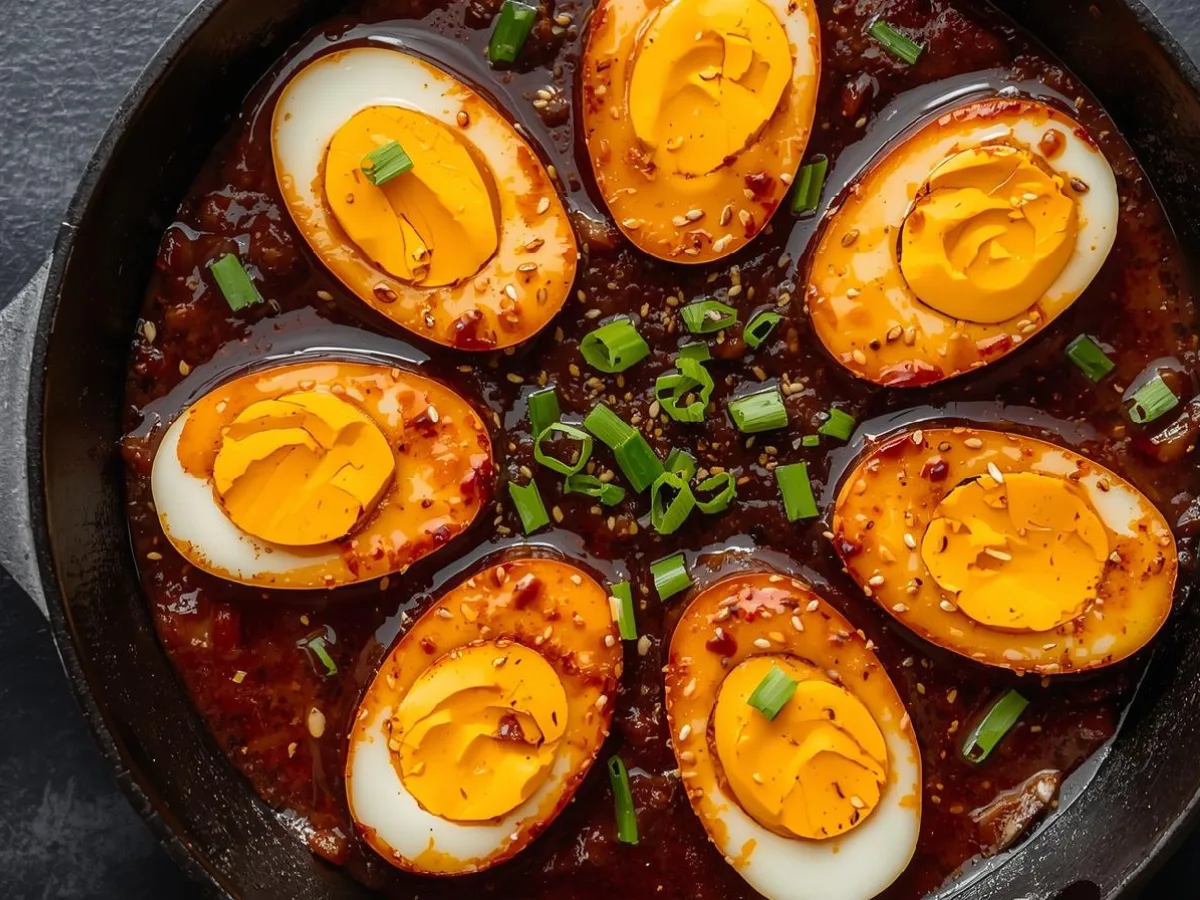
Gochujang Eggs are a vibrant and flavorful dish that brings the heat and heart of Korean cuisine to your breakfast table or dinner plate. This recipe captures a unique balance between the bold, fermented spice of Korean chili paste and the comforting, creamy texture of perfectly cooked eggs. It is a dish that feels both exotic and familiar, providing a rich sensory experience that transforms a humble staple into a gourmet meal. Whether you are looking for a quick morning boost or a satisfying savory snack, these eggs offer a glossy, umami-rich glaze that lingers beautifully on the palate.
Quick Facts and Recipe Snapshot
This recipe is designed for the modern home cook who values efficiency without sacrificing depth of flavor or quality ingredients. Preparing Gochujang Eggs takes approximately 15 minutes from start to finish, making it a stellar option for those busy weeknights or hurried mornings. It serves two hungry adults and is considered a low-difficulty recipe, accessible even to those new to Asian dishes or spicy recipes. With an estimated cost of under five dollars per batch, this vegetarian-friendly meal is a budget-conscious way to enjoy high-protein snacks or a complete healthy dinner.
What Exactly Are Gochujang Eggs?
At its core, the Gochujang Eggs recipe is a fusion of classic egg preparation and a specialized Korean glaze that highlights the complexity of fermented pepper. The dish consists of soft or hard-boiled eggs that are gently tossed in a pan with a mixture of gochujang sauce, sweeteners, and aromatics. The result is a velvety coating that adheres to the egg white, creating a striking visual contrast and a burst of savory-sweet flavor in every bite. It is a versatile dish that can be served warm, cold, or at room temperature, making it a favorite for diverse meal planning needs.
Origins and Modern Culinary Inspiration
The inspiration for Gochujang Eggs stems from traditional Korean side dishes, known as banchan, which often feature braised or marinated ingredients in soy-based liquids. This modern American-influenced version simplifies the process, focusing on a quick glaze rather than a long marinating period, though the flavors remain deeply rooted in Korean food traditions. By incorporating ingredients like honey and rice vinegar, this version appeals to global taste buds while maintaining the integrity of the original Korean chili paste. It reflects a growing trend of global fusion where bold spices meet simple pantry staples to create something entirely new and exciting.
Why You Will Love This Recipe
You will absolutely love these Gochujang Eggs because they provide an instant upgrade to your standard breakfast routine without requiring a long list of niche ingredients. The texture is a delightful interplay of the smooth, firm egg white and the sticky, glossy sauce that coats every curve of the egg. It offers a powerful umami punch that satisfies cravings for something savory, while the hint of sweetness from the honey keeps the heat from being overwhelming. This recipe is also incredibly adaptable, allowing you to control the spice level and serving style to suit your personal preferences or dietary goals.
Ingrédients & Notes
- 6 Large Eggs: Use fresh, high-quality eggs for the best texture and rich yellow yolks.
- 2 tbsp Gochujang (Korean Chili Paste): This is the soul of the dish; look for a brand that offers a medium heat level.
- 1 tbsp Honey or Brown Sugar: Provides a necessary sweetness to balance the fermentation and spice of the paste.
- 1 tbsp Soy Sauce: Adds a deep, salty umami layer that enhances the overall savory profile.
- 1 tsp Rice Vinegar: Offers a bright acidity that cuts through the richness of the yolk and butter.
- 2 cloves Garlic, minced: Essential for an aromatic base that gives the sauce its characteristic “kick.”
- 1 tbsp Butter or Neutral Oil: Used for sautéing the garlic and creating a silky, glossy finish for the glaze.
- 1 tsp Toasted Sesame Oil: Added at the end to provide a nutty aroma that defines many Asian dishes.
- Garnish: Sliced green onions and roasted sesame seeds for added crunch and freshness.
Step-by-Step Instructions
- Begin by bringing a large pot of water to a rolling boil over high heat on your stovetop.
- Carefully lower the eggs into the water using a slotted spoon to prevent them from cracking against the bottom.
- Boil the eggs for 6.5 minutes if you prefer a jammy yolk, or 9 to 10 minutes for a traditional hard-boiled texture.
- While the eggs boil, prepare an ice bath by filling a medium bowl with cold water and several ice cubes.
- Once the timer goes off, immediately transfer the eggs to the ice bath to stop the cooking process and ensure easy peeling.
- In a small skillet or frying pan, melt the butter over medium-low heat and add the minced garlic, sautéing until fragrant but not brown.
- Whisk together the gochujang sauce ingredients, including the chili paste, honey, soy sauce, and rice vinegar, in a small bowl.
- Pour the sauce mixture into the skillet with the garlic and stir constantly for about 1 to 2 minutes until it begins to bubble and thicken.
- Peel the cooled eggs carefully and add them to the skillet, gently rolling them in the sauce until they are completely and evenly coated.
- Remove from heat, drizzle with sesame oil, and garnish with green onions and sesame seeds before serving warm.
Tips for Perfect Gochujang Eggs Every Time
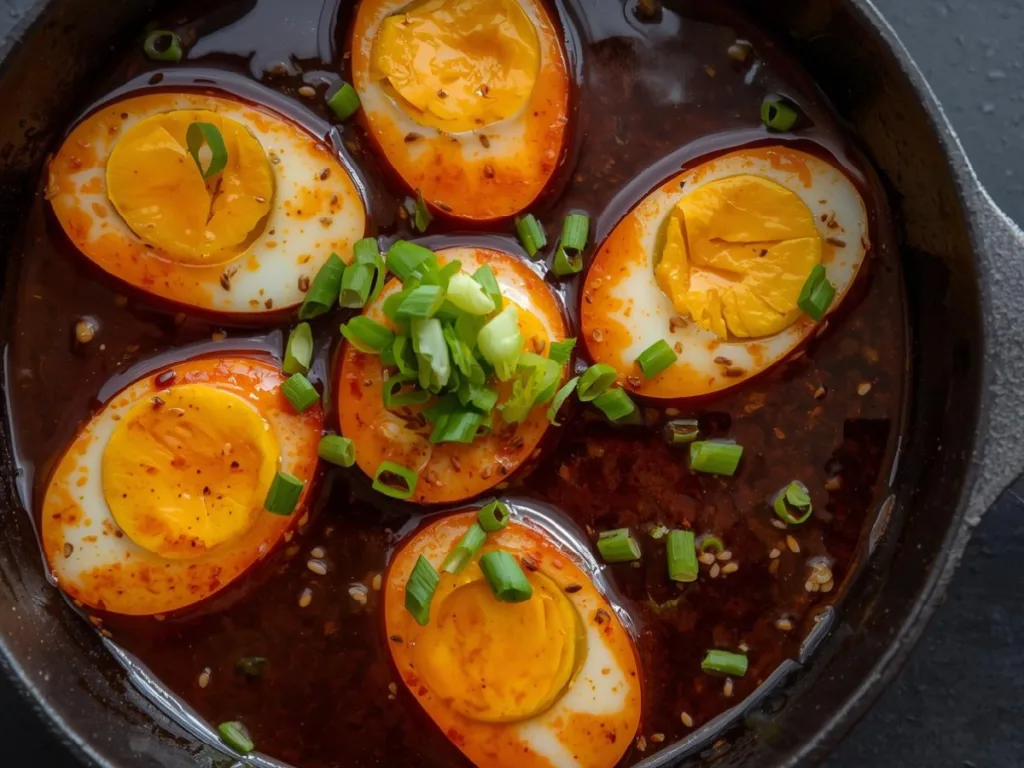
To ensure the sauce sticks perfectly to your eggs, make sure they are completely dry after peeling them from the ice bath. Any excess moisture on the surface of the egg white will cause the gochujang sauce to slide off rather than create that beautiful, glossy glaze. Use a silicone spatula to toss the eggs in the pan, as this prevents the delicate whites from tearing or breaking during the coating process. Always cook the sauce on low to medium heat to avoid burning the sugars in the honey, which can turn bitter if scorched.
Variations, Swaps, and Easy Add-Ins
If you want to vary this dish, consider making Gochujang Scrambled Eggs by whisking the paste directly into the raw eggs before hitting the hot pan. For a more substantial meal, you can add diced fresh vegetables like bell peppers or spinach to the skillet before adding the sauce. If you are out of honey, maple syrup, or agave nectar serve as excellent sweeteners that provide a similar viscosity and flavor balance. Those who prefer a smokier flavor can add a pinch of smoked paprika or a teaspoon of chili crisp to the glaze.
Ingredient Spotlight: The Power of Gochujang
The star of this dish is undoubtedly the Korean chili paste, a fermented condiment made from chili powder, glutinous rice, and fermented soybeans. It provides a unique depth of flavor that cannot be replicated by standard hot sauces, offering a thick, pasty consistency that is ideal for glazing. Nutritionally, gochujang contains beneficial probiotics from the fermentation process and capsaicin, which can help boost metabolism and provide antioxidant properties. It is a staple in Korean cuisine that is gaining global popularity for its ability to add instant complexity to simple ingredients.
Serving Suggestions and Plating Ideas
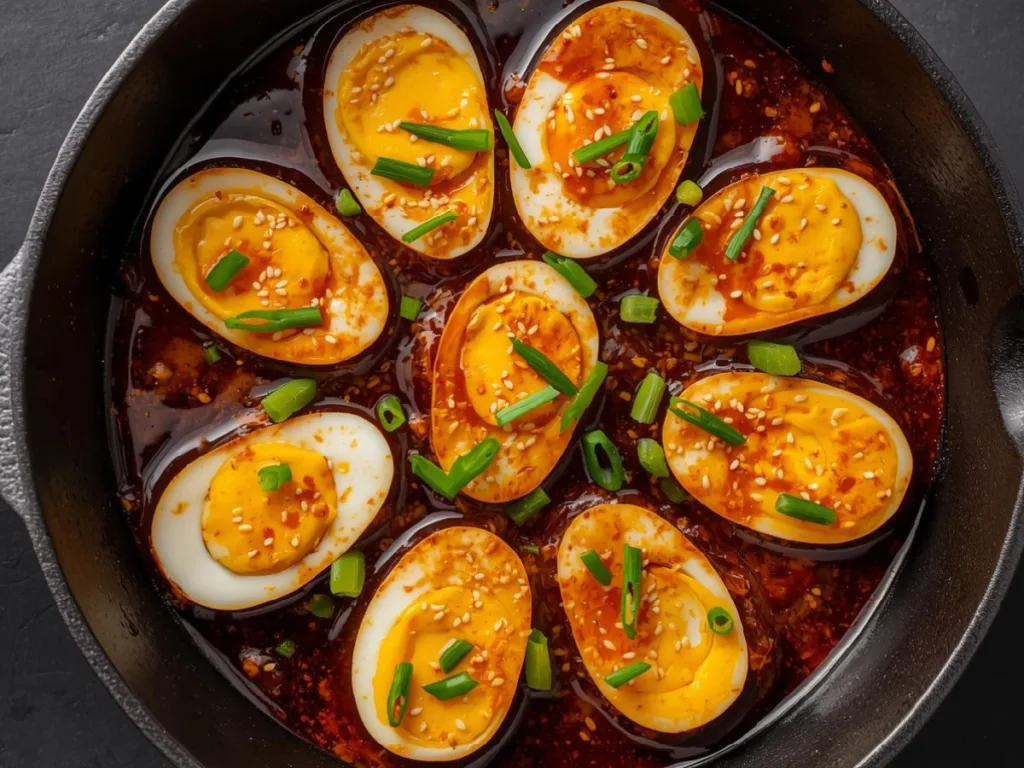
For an eye-catching presentation, serve the Gochujang Eggs whole or sliced in half on a white ceramic plate to make the deep red sauce pop. Slicing them in half allows the vibrant yellow yolk to contrast with the spicy glaze, creating a restaurant-quality look that is perfect for social media sharing. Arrange them in a circular pattern and sprinkle the garnishes generously from a height to ensure an even and artistic distribution. Serving them alongside a small pile of pickled ginger or kimchi can also add a traditional touch to your final plating.
Best Sides to Serve With Your Eggs
Gochujang Eggs are incredibly versatile and pair beautifully with various starches and greens to create a well-rounded and satisfying meal. Steamed jasmine rice or brown rice is the most traditional accompaniment, as the grains soak up the extra sauce perfectly. For a fusion twist, serve these spicy eggs on top of buttered crusty bread or a thick slice of sourdough toast for a hearty brunch. They also work wonderfully as a topping for a bowl of egg noodles or as a side to a simple stir-fry of fresh vegetables.
Flavor Pairing and Beverage Match
The heat and sweetness of the gochujang sauce call for beverages that can either cool the palate or complement the bold fermented notes. A crisp, cold lager or a light pilsner is a fantastic alcoholic choice, as the carbonation helps cleanse the tongue after each spicy bite. For non-alcoholic options, a refreshing iced green tea or a glass of chilled kombucha provides a pleasant acidity that mirrors the rice vinegar in the recipe. If you are serving these for breakfast, a hot cup of roasted barley tea offers a nutty depth that pairs well with sesame.
Make-Ahead and Storage Guide
If you are into meal planning, you can easily boil the eggs and prepare the sauce several days in advance to save time. Store the peeled eggs and the sauce in separate airtight containers in the refrigerator for up to three days for maximum freshness. When you are ready to eat, simply heat the sauce in a pan and toss the cold eggs in until they are warmed through and coated. Avoid freezing this dish, as the texture of the boiled egg whites becomes rubbery and unappealing once thawed and reheated.
Budget and Pantry Strategy
Creating delicious meals like Gochujang Eggs is a great way to use up pantry staples while keeping your weekly grocery bill low. Buying gochujang in a larger tub is more cost-effective if you plan to explore more Korean food recipes, as it has a very long shelf life. Eggs are one of the most affordable high-protein sources available, making this a “bang-for-your-buck” recipe that feels much more expensive than it is. Using the stems of green onions and saving the darker greens for garnish is a smart way to minimize food waste in the kitchen.
Scaling for a Large Crowd
When preparing Gochujang Eggs for a large brunch or family gathering, it is best to boil the eggs in multiple batches to ensure even cooking. You can double or triple the sauce recipe in one large skillet, but be careful not to crowd the pan when glazing the eggs. A wide, flat-bottomed pan works best for large quantities, as it allows all the eggs to have direct contact with the sauce simultaneously. For groups of ten or more, consider serving the eggs halved on a large platter with the sauce drizzled over the top to save time.
Weeknight Workflow Planner
To get this meal on the table in record time on a Tuesday night, start by putting your water on to boil the moment you walk in. While the water heats up, you can quickly mince your garlic and whisk the sauce ingredients together in under three minutes. Use the 6.5 minutes of boiling time to clean your workspace and set the table so everything is ready once the eggs are peeled. This efficient workflow ensures that you spend less than twenty minutes in the kitchen, giving you more time to relax and enjoy your evening.
Kids and Family-Friendly Adaptations
For children or family members who are sensitive to spice, you can easily adapt this recipe by reducing the amount of gochujang and increasing the honey. Substituting half of the chili paste with a mild tomato paste can provide a similar color and texture without the intense heat of the peppers. Serving the sauce on the side as a dip for the eggs is another great way to let everyone control their own level of spiciness. Adding a side of sliced cucumbers or mild fruit can help balance the palate for younger eaters who are still exploring new flavors.
FAQs
- Can I use hard-boiled eggs? Yes, simply boil them for 10 minutes for a firm yolk if you prefer that over a jammy texture.
- Is gochujang very spicy? It has a moderate heat that is balanced by sweetness, but brands vary, so always taste a small amount first.
- Can I make this vegan? You can substitute the eggs with firm tofu cubes and use a vegan-friendly sweetener and oil.
- How long do these last? They are best eaten within 3 days when stored in an airtight container in the refrigerator.
Love this recipe? Discover even more!
Explore my Pinterest boards for a world of delicious recipes, fresh ideas, and inspiring flavors. Click here and start pinning your next favorite dish! ➜https://www.pinterest.com/ElitesRecipes/
PrintThe Best Way To Make Easy Gochujang Eggs With A Jammy Yolk
Savory-sweet Korean eggs glazed in a glossy gochujang sauce, perfect for breakfast or dinner.
- Prep Time: 5 minutes
- Cook Time: 10 minutes
- Total Time: 15 minutes
- Yield: 2 servings
- Category: Breakfast
- Method: Boiled
- Cuisine: Korean
- Diet: Vegetarian
Ingredients
6 large eggs
2 tbsp gochujang (Korean chili paste)
1 tbsp honey
1 tbsp soy sauce
1 tsp rice vinegar
2 cloves garlic, minced
1 tbsp butter
1 tsp toasted sesame oil
1 tbsp green onions, sliced
1 tsp sesame seeds
Instructions
1. Boil eggs for 6.5 minutes.
2. Transfer to ice bath for 5 minutes.
3. Peel eggs and set aside.
4. Melt butter and sauté garlic.
5. Whisk gochujang, honey, soy, and vinegar.
6. Simmer sauce until thickened.
7. Toss eggs in sauce to coat.
8. Garnish with sesame and onions.
Notes
Use 10 minutes for hard boiled eggs.
Store leftovers in fridge for 3 days.
Serve over rice or toast.