
Table of Contents
Deep Dive into the Sourdough Loaf with Olive Oil and Egg
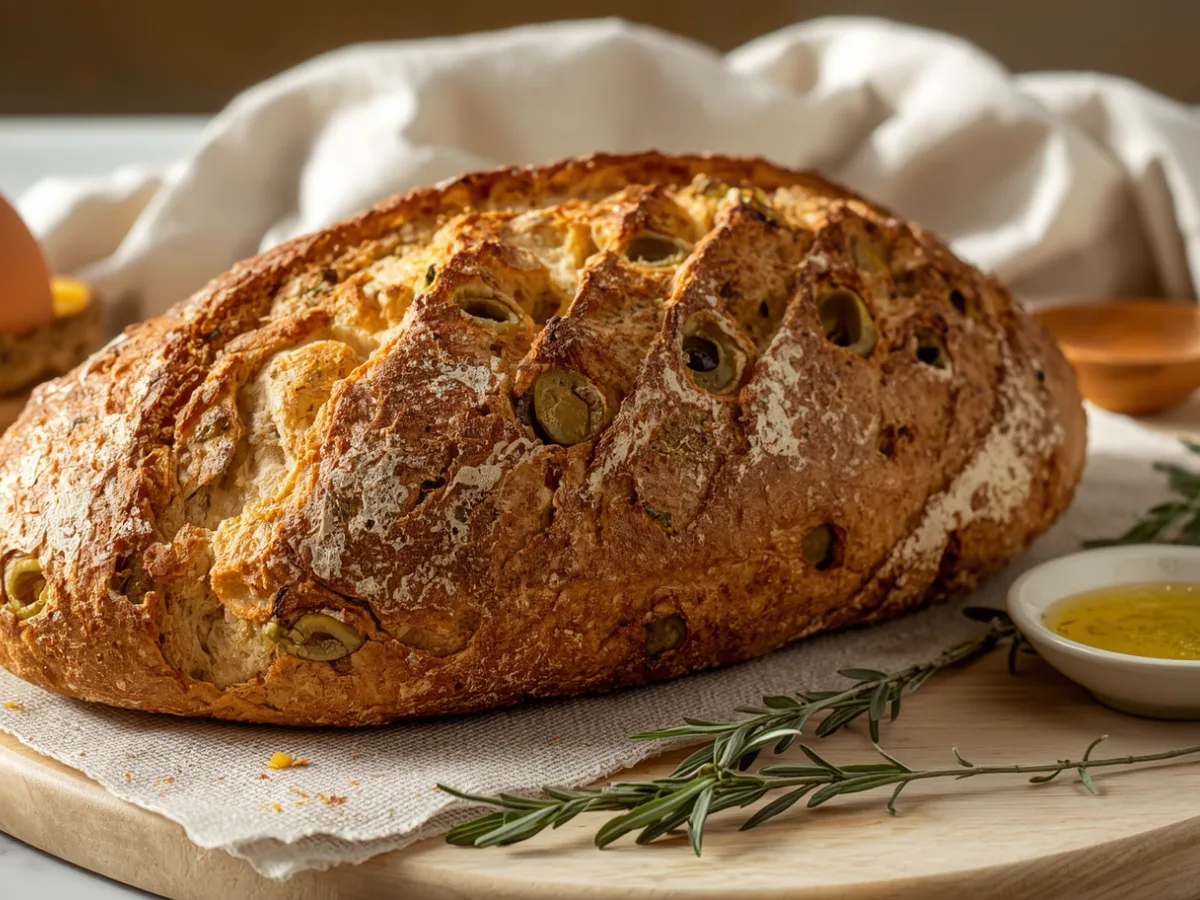
The aroma of a freshly baked Sourdough Loaf with Olive Oil and Egg filling the kitchen is a sensory experience like no other. This particular loaf bridges the gap between a traditional rustic boule and a soft brioche-style bread. By incorporating high-quality fats, we transform the standard wild yeast fermentation into something truly luxurious. The result is a loaf that boasts a signature sourdough tang but with a significantly softer, more approachable crumb that the whole family will enjoy.
Quick Facts / Recipe Snapshot
This recipe yields one large artisan boule or two smaller loaves, depending on your preference. Preparation requires about 15 minutes of active work, while the total fermentation and baking time spans approximately 18 to 24 hours. The difficulty is rated as intermediate, though beginners familiar with a basic starter will find it very manageable. The cost is low, utilizing staple pantry items, and the recipe is naturally vegetarian-friendly while providing a rich source of complex carbohydrates.
What Is Sourdough Loaf with Olive Oil and Egg?
This specialty bread is a variation of the classic sourdough that uses enrichment to alter its physical properties. Unlike a lean dough, which consists only of flour, water, and salt, this version introduces egg and olive oil to tenderize the gluten network. The egg provides structure and a golden hue to the crumb, while the olive oil ensures a silky mouthfeel and long-lasting freshness. It is the perfect balance of a crunchy crust and a cloud-like interior.
Origins & Inspiration
The inspiration for this Sourdough Loaf with Olive Oil and Egg stems from a modern American influence on traditional European sourdough techniques. While traditional sourdough was often a survival food made of the simplest ingredients, modern bakers in the USA have experimented with “enrichment” to create artisanal sandwich breads. This version pays homage to Mediterranean olive oil breads while maintaining the slow-fermented health benefits of a classic sourdough starter.
Why You’ll Love This Recipe
You will absolutely adore the textural contrast provided by this Sourdough Loaf with Olive Oil and Egg. The olive oil acts as a natural crumb softener, preventing the bread from becoming overly tough or chewy after the first day. Furthermore, the egg wash applied before baking creates a stunningly professional, lacquered finish that makes this a centerpiece-worthy loaf. It is incredibly versatile, making it just as suitable for savory avocado toast as it is for a sweet French toast breakfast.
Ingredients & Notes
- Active Sourdough Starter: 100g (ensure it is bubbly and fed within 4-6 hours).
- Bread Flour: 500g (high protein content is essential for a strong sourdough loaf ear).
- Warm Water: 300g (filtered water is preferred to avoid chlorine affecting the yeast).
- Extra Virgin Olive Oil: 30g (adds a subtle fruity aroma and velvety texture).
- Large Egg: 1 (room temperature to help with even incorporation).
- Sea Salt: 10g (fine grain for easy dissolving).
- Optional: 1 extra egg for the final egg wash to achieve that golden crust.
Step-by-Step Instructions
- In a large bowl, whisk together your active sourdough starter, warm water, olive oil, and the egg until well combined.
- Gradually add the bread flour and salt, mixing by hand or with a sturdy spoon until a shaggy dough forms and no dry flour remains.
- Cover the bowl with a damp cloth and let the dough rest for 30 minutes (the autolyse phase) to allow the flour to fully hydrate.
- Perform four sets of stretch and folds every 30 minutes to build strength in the dough without heavy kneading.
- Allow the dough to bulk ferment at room temperature until it has increased in volume by about 50% and shows visible bubbles.
- Gently shape the dough into a tight round or oval, being careful not to deflate the air pockets created during fermentation.
- Place the shaped loaf into a floured banneton or bowl and let it proof in the refrigerator overnight (12-15 hours) for maximum flavor development.
- Preheat your oven and Dutch oven to 450°F (230°C).
- Score the top of the loaf with a sharp blade to encourage a beautiful sourdough loaf ear, then bake covered for 20 minutes.
- Remove the lid, reduce the heat to 400°F, and bake for another 20-25 minutes until the internal temperature reaches 200°F.
Tips for Perfect Sourdough Loaf with Olive Oil and Egg Every Time
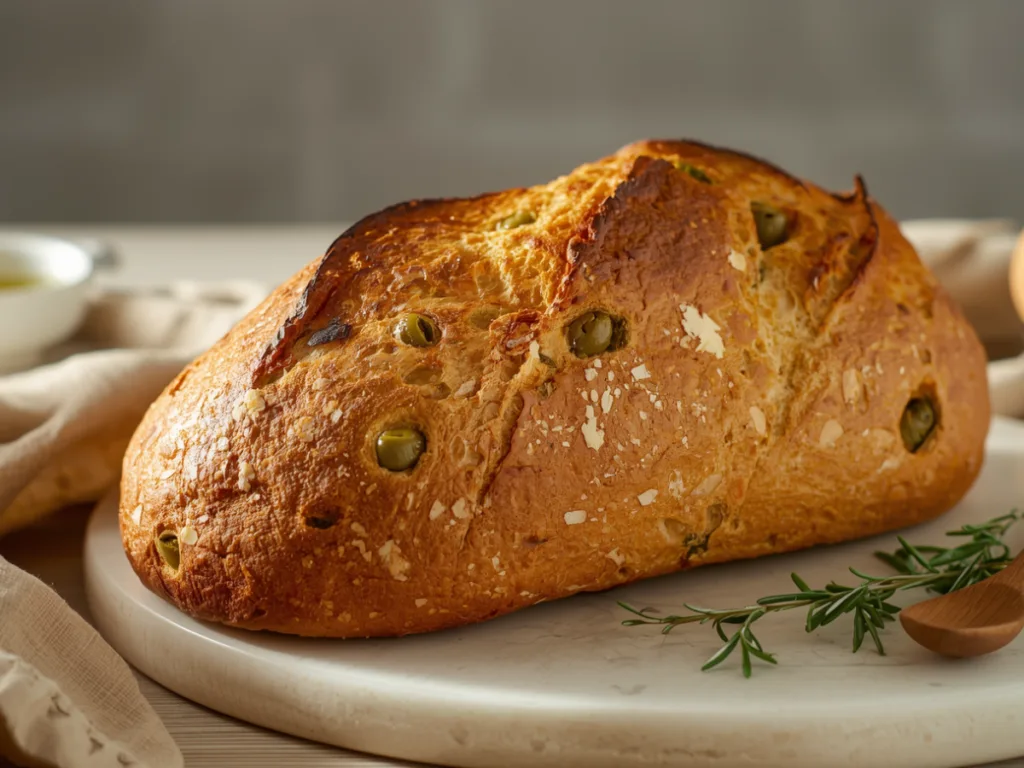
Achieving a consistent Sourdough Loaf with Olive Oil and Egg requires attention to the temperature of your environment. If your kitchen is cold, the bulk fermentation might take significantly longer than expected. Always use a digital scale for your measurements, as volume-based cups can lead to inconsistent hydration levels. For the best “ear,” ensure you score the dough at a 45-degree angle with a very swift and confident motion.
Variations, Swaps & Add-Ins
For those wanting to experiment with flavored sourdough recipes, consider adding dried rosemary or roasted garlic during the first set of folds. If you prefer a more rustic feel, you can substitute 100g of the bread flour with whole wheat or rye flour for a deeper, earthier profile. For a vegan alternative, although it changes the recipe’s core, one could use a flax egg and continue focusing on the olive oil sourdough aspect.
Ingredient Spotlight
The extra virgin olive oil used in this recipe is more than just a fat; it is a flavor enhancer that introduces polyphenols and a distinct Mediterranean soul to the bread. The bread flour provides the high gluten content necessary to support the weight of the added oil and egg, ensuring the loaf doesn’t collapse. Finally, the slow-fermented wild yeast breaks down phytic acid, making this enriched bread easier to digest than standard commercial loaves.
Serving Suggestions (Presentation & Plating)
When serving your Sourdough Loaf with Olive Oil and Egg, presentation is key to an artisan experience. Place the whole loaf on a reclaimed wood cutting board with a serrated knife nearby to encourage guests to help themselves. For a professional look, dust the top lightly with flour before scoring to create a high-contrast pattern against the dark, golden-brown crust. Slicing the bread into thick, generous wedges highlights the airy interior crumb.
Best Sides to Serve With This Dish
This savory sourdough bread is the ultimate companion to a warm bowl of tomato basil soup or a crisp garden salad. Because of the olive oil and egg, the slices hold up remarkably well when toasted and served alongside soft scrambled eggs for a hearty weekend brunch. It also pairs beautifully with a charcuterie board featuring sharp cheeses, olives, and various cured meats (excluding prohibited items) to balance the acidity of the dough.
Flavor Pairing & Beverage Match
The complex notes of the Sourdough Loaf with Olive Oil and Egg pair exceptionally well with a crisp white wine like a Sauvignon Blanc or a light herbal tea. If serving during breakfast, a robust dark roast coffee complements the toasted crust perfectly. For an evening snack, try dipping a slice into a small bowl of balsamic vinegar and high-quality olive oil to mirror the ingredients found within the bread itself.
Make-Ahead & Storage Guide
You can easily prepare the dough for this Sourdough Loaf with Olive Oil and Egg two days in advance by extending the cold fermentation in the fridge. Once baked, the bread stays fresh at room temperature for up to three days if kept in a paper bag or bread box. For longer storage, slice the loaf and freeze the individual pieces in a vacuum-sealed bag for up to three months, reheating them directly in the toaster.
Budget & Pantry Strategy
This recipe is highly cost-effective as it relies on bulk pantry staples like flour and salt. To save money, consider buying your bread flour in larger bags and maintaining your sourdough starter with affordable all-purpose flour. Using olive oil instead of butter is often a more budget-friendly way to enrich bread while still achieving a premium, artisan result. Leftover heels of the loaf can be turned into high-quality croutons or breadcrumbs.
Scaling for a Crowd
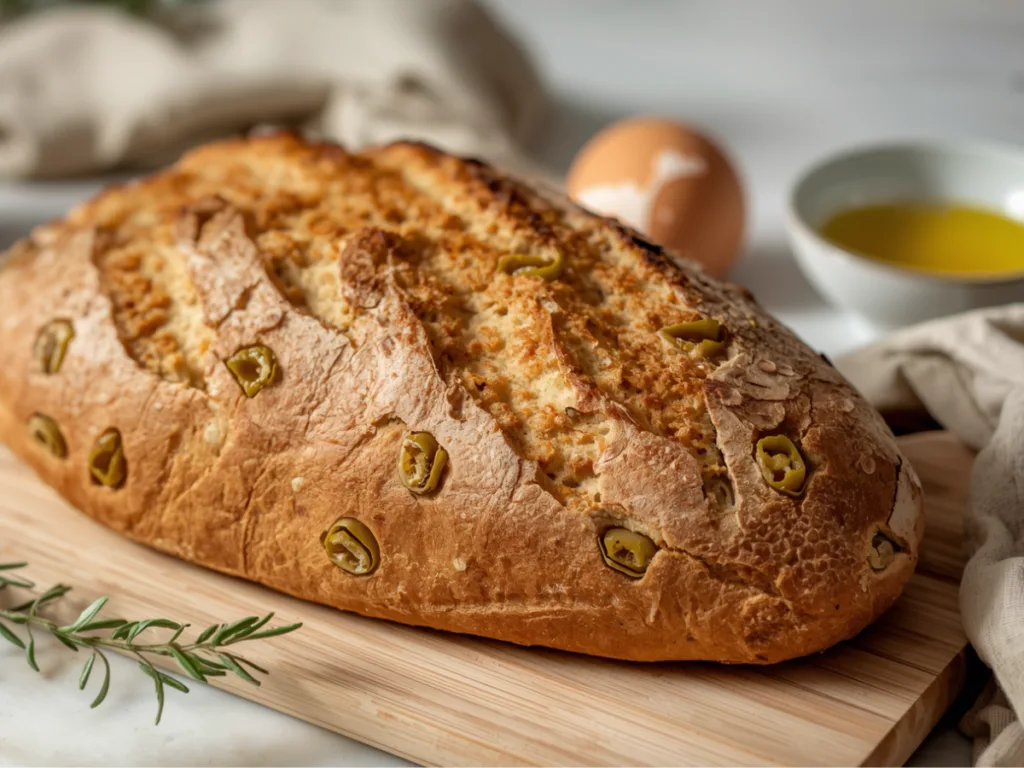
If you are baking for a large gathering or a holiday event, you can easily double or triple this recipe. However, ensure your mixing bowl and oven space can accommodate the larger volume of dough. It is often easier to bake multiple medium-sized loaves rather than one giant one to ensure the center cooks through completely. Proofing multiple bannetons in the fridge overnight is the most efficient way to handle high-volume sourdough production.
Weeknight Workflow Planner
To fit this into a busy schedule, mix your dough on a Friday evening and allow for the bulk fermentation while you relax. Move the dough to the fridge before bed, and it will be ready to bake first thing Saturday morning. If you want fresh bread on a weeknight, perform the mixing on Sunday, and the long, cold ferment will allow you to bake a fresh loaf as soon as you get home from work on Monday.
Kids & Family Friendly Adaptations
Children often prefer a softer crust, so you can achieve this by brushing the loaf with a little extra olive oil immediately after it comes out of the oven. This softens the exterior while keeping the heart of the sourdough loaf intact. For school lunches, this bread makes fantastic sandwiches that don’t get soggy as quickly as store-bought white bread. It is a great way to introduce kids to the healthy world of fermented foods.
Troubleshooting & Fixes
If your Sourdough Loaf with Olive Oil and Egg turns out too dense, likely that your starter wasn’t active enough or the bulk fermentation was cut short. For a loaf that spreads too much (pancaking), work on building more tension during the final shaping stage. If the bottom of the crust burns before the top is done, try placing a baking sheet on the rack below your Dutch oven to deflect some of the direct heat.
Cultural or Seasonal Context
While sourdough is a year-round staple, the Sourdough Loaf with Olive Oil and Egg feels particularly special during the harvest season. The golden color evokes the feeling of autumn, making it a wonderful addition to a Thanksgiving spread or a cozy winter dinner. In Mediterranean cultures, adding oil to bread is a symbol of prosperity and hospitality, making this an ideal gift for neighbors or friends.
Tools and Equipment Needed
To achieve professional results, a few key tools are highly recommended. A digital kitchen scale is the most important for accuracy in sourdough recipes. A cast-iron Dutch oven is essential for trapping steam, which allows the sourdough loaf to expand fully. Additionally, a sharp bread lame or razor blade is needed for precise scoring, and a bench scraper helps significantly when handling the slightly sticky enriched dough.
FAQs
Can I use olive oil discard for this? Yes, you can use sourdough starter discard, but the rise may be less dramatic than with an active starter.
How long does the bulk fermentation take? Usually 4 to 6 hours at 70°F, but watch the dough’s volume rather than the clock.
Can I skip the egg wash? Absolutely, though the crust will be matte and slightly less golden. Why add egg to sourdough? It provides protein for structure and creates a much softer, more “sandwich-like” crumb texture.
Love this recipe? Discover even more!
Explore my Pinterest boards for a world of delicious recipes, fresh ideas, and inspiring flavors. Click here and start pinning your next favorite dish! ➜https://www.pinterest.com/ElitesRecipes/
Printthe Best Sourdough Loaf with Olive Oil and Egg
A soft and fluffy artisan sourdough loaf enriched with olive oil and egg for a tender crumb and golden crust.
- Prep Time: 15 minutes
- Cook Time: 45 minutes
- Total Time: 20 hours
- Yield: 1 loaf
- Category: Bread
- Method: Baking
- Cuisine: American-Artisan
- Diet: Vegetarian
Ingredients
100g active sourdough starter
300g warm water
500g bread flour
30g extra virgin olive oil
1 large egg
10g sea salt
1 egg (for egg wash)
Instructions
1. Mix starter, water, oil, and egg.
2. Add flour and salt; mix into a shaggy dough.
3. Rest 30 minutes.
4. Perform 4 sets of stretch and folds every 30 mins.
5. Bulk ferment until 50% increase in volume.
6. Shape into a round and place in banneton.
7. Cold proof in fridge for 12-15 hours.
8. Preheat oven and Dutch oven to 450°F.
9. Score the loaf and bake covered for 20 mins.
10. Uncover, reduce to 400°F, and bake 25 mins.
Notes
Use room temperature egg for better mixing.
A digital scale is highly recommended for accuracy.
Score at a 45-degree angle for the best ear.