
Table of Contents
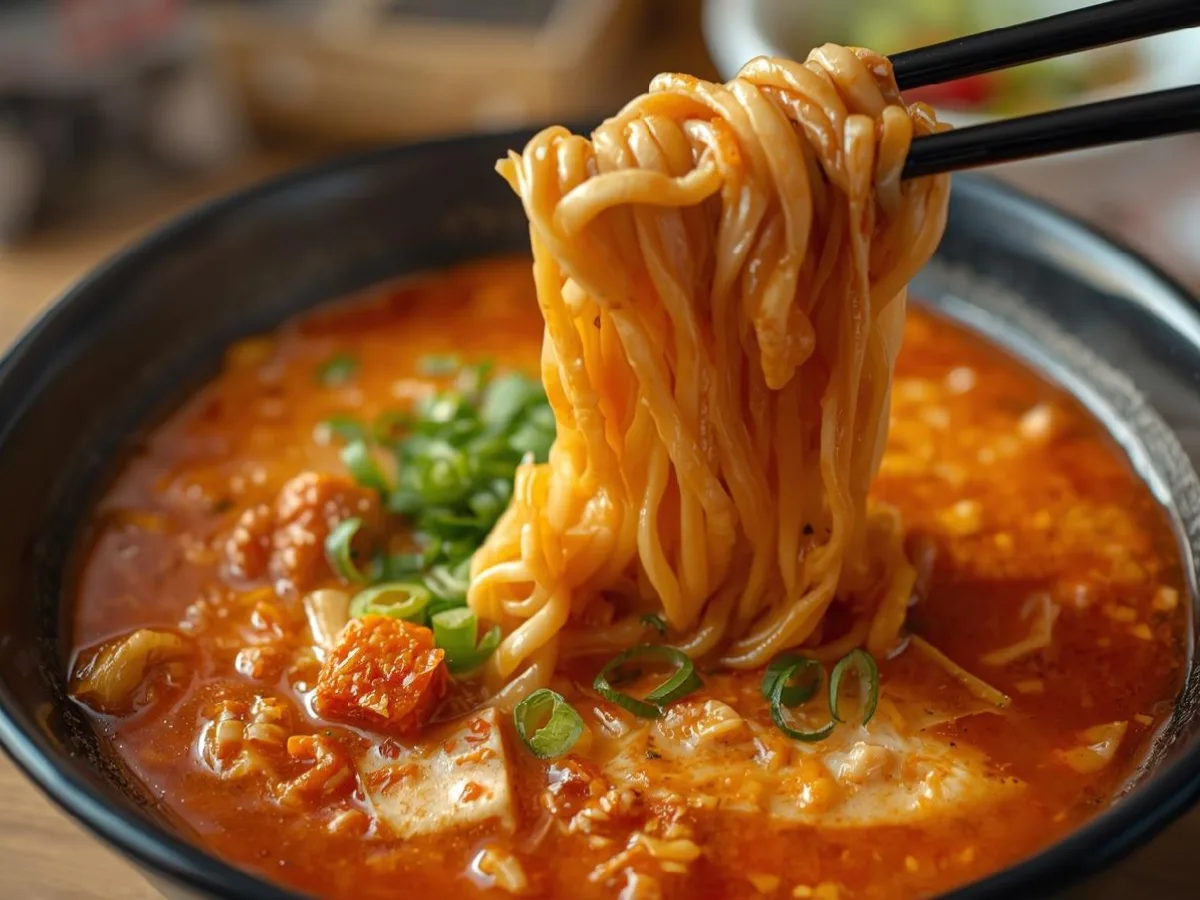
The Korean Army Stew Recipe, traditionally known as Budae Jjigae, is a remarkable fusion dish that combines authentic Korean flavors with Western staples. This dish is characterized by its vibrant, spicy broth and a diverse array of ingredients like mushroom ramen and beef brisket. It is a celebratory meal that is best shared with friends and family, cooked right in the center of the table in a shallow pot. The aroma of simmering kimchi and gochugaru creates an inviting atmosphere that promises a soul-warming dining experience.
Quick Facts / Recipe Snapshot
This Korean Army Stew Recipe is designed for efficiency and flavor, requiring approximately 15 minutes of prep and 20 minutes of active cooking. It serves 4 hungry adults and is categorized as an easy-to-intermediate level dish. While the cost is estimated to be low to moderate due to the use of pantry staples like canned meat and instant noodles, it provides a high-end taste. This specific version is pork-free, utilizing beef and chicken alternatives to ensure it is inclusive for various dietary preferences.
What Is This Korean Army Stew Recipe?
At its core, this Korean Army Stew Recipe is a spicy Korean soup in a hot pot that represents the ingenuity of Korean cuisine. It is a hearty medley of ingredients including bean curd, beef franks, and vegetables, all simmered in a savory broth seasoned with gochujang. The texture is a delightful mix of chewy rice cakes, soft tofu, and al dente instant noodles. It is often referred to as a “kitchen sink” stew because of the variety of ingredients that can be added to the pot.
Origins & Inspiration
The history of the Korean Army Stew Recipe is rooted in the post-war era of the 1950s. During a time of food scarcity, locals near U.S. military bases began using surplus canned goods to create a nutritious meal. This modern American influence blended with traditional Korean ingredients like kimchi and red pepper flakes to create what we now call Budae Jjigae. Our version honors this resilience while adapting the recipe for modern kitchens by focusing on high-quality beef brisket and fresh mushrooms to elevate the overall profile.
Why You’ll Love This Recipe
You will fall in love with this Korean Army Stew Recipe because it offers an incredible depth of flavor with very little effort. The combination of the spicy gochujang base and the richness of the beef brisket creates a balanced broth that is neither too heavy nor too thin. It is the ultimate comfort soup that provides warmth and satiety, making it perfect for cold weather or rainy days. Additionally, the visual appeal of the colorful ingredients arranged in the pot makes it a beautiful dish for social gatherings.
Ingredients & Notes
- 1 lb Beef Brisket, thinly sliced (adds a rich, meaty texture)
- 2 packs of Mushroom Ramen or Instant Noodles (the heart of the stew)
- 1 can Canned Chicken or Turkey Spam (a pork-free alternative to tradition)
- 4 Beef Franks or Halal Sausages, sliced diagonally
- 1 cup Aged Kimchi, chopped (essential for the sour and spicy base)
- 1 block Bean Curd (Tofu), sliced into rectangles
- 1 cup Shiitake and Enoki Mushrooms (adds earthy umami)
- 1/2 cup Korean Rice Cakes (provides a satisfying chew)
- 4 cups Beef Broth (low sodium preferred to control saltiness)
- 2 tbsp Gochujang (Korean red chili paste)
- 1 tbsp Gochugaru (Korean red chili flakes)
- 1 tbsp Soy Sauce and 1 tsp Sugar (to balance the fermentation of kimchi)
- 2 cloves of Garlic, minced
- 2 Green Onions, chopped (for garnish)
- 1 slice American Cheese (optional, for a creamy finish)
Step-by-Step Instructions
- In a small bowl, whisk together the gochujang, gochugaru, soy sauce, sugar, and minced garlic to create the seasoning paste.
- In a wide, shallow pot, neatly arrange the kimchi at the center, then surround it with slices of beef brisket, canned meat, beef franks, bean curd, and mushrooms.
- Place the rice cakes in a corner and spoon the seasoning paste directly over the kimchi.
- Carefully pour the beef broth into the pot, ensuring you do not disturb the arrangement of the ingredients too much.
- Bring the stew to a boil over medium-high heat. Once boiling, reduce the heat slightly and let it simmer for 8 to 10 minutes until the meat is cooked through.
- Add the mushroom ramen noodles to the center of the pot and press them down into the liquid.
- Cook for another 3 to 4 minutes until the noodles are tender but still firm.
- Place a slice of American cheese on top of the noodles and sprinkle with chopped green onions before serving.
Tips for Perfect Results Every Time
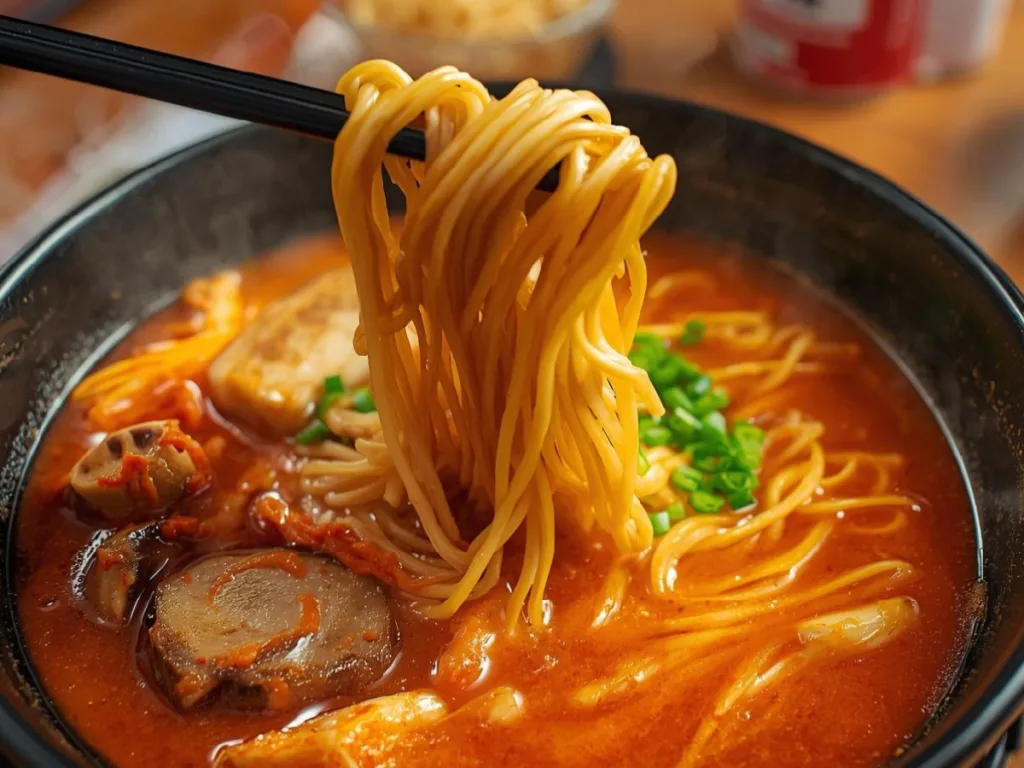
To achieve the best results with your Korean Army Stew Recipe, always use aged kimchi. The fermentation adds a sour complexity that fresh kimchi simply cannot provide. When arranging your pot, keep the ingredients grouped for a professional look. If the broth evaporates too quickly, keep extra beef broth on hand to top it up. It is crucial to monitor the noodles closely; they should be the last thing added so they don’t become mushy during the simmering process.
Variations, Swaps & Add-Ins
This Korean Army Stew Recipe is incredibly versatile. For a vegetarian version, you can omit the meat and use vegetable broth, adding more varieties of mushrooms and extra bean curd. If you enjoy extra heat, add sliced serrano peppers or more gochugaru. You can also experiment with different noodles, such as glass noodles or udon, though instant noodles are the traditional favorite. Adding baked beans is another popular variation that adds a subtle sweetness and thickness to the spicy broth.
Ingredient Spotlight
The combination of gochujang and gochugaru is the soul of this Korean Army Stew Recipe. Gochujang provides a thick, savory, and slightly sweet base, while gochugaru offers the clean, smoky heat that defines Korean cuisine. Another star is the beef brisket, which provides high-quality protein and a luxurious mouthfeel compared to traditional processed meats. These ingredients work together to create a complex flavor profile that satisfies the palate with every spoonful of this spicy Korean soup.
Serving Suggestions (Presentation & Plating)
Presentation is key for a beautiful dish like this. Serve the Korean Army Stew Recipe directly from the pot used for cooking, placed on a heat-proof mat in the middle of the table. Provide each guest with a small bowl and a pair of chopsticks. The bright red broth contrasted with the white tofu and green onions creates a stunning visual. You can garnish the final dish with a sprinkle of toasted sesame seeds to add a professional touch to your home-cooked meal.
Best Sides to Serve With Army Stew
While this Korean Army Stew Recipe is a complete meal on its own, it pairs wonderfully with simple sides. A bowl of steamed white rice is essential for soaking up the flavorful spicy broth. You might also serve traditional Korean banchan, such as pickled radishes or a light cucumber salad, to provide a refreshing crunch. These sides help to balance the intensity of the hot pot dish and cleanse the palate between bites of the rich mushroom ramen.
Flavor Pairing & Beverage Match
The bold and spicy nature of this Korean Army Stew Recipe calls for refreshing beverages. A cold Korean barley tea or a sparkling lemonade works perfectly to cool the palate. For those who enjoy adult beverages, a crisp lager or a chilled glass of Soju is a classic pairing that complements the savory and spicy notes of the stew. The carbonation in beer helps to cut through the richness of the beef brisket and the melted American cheese.
Make-Ahead & Storage Guide
While the Korean Army Stew Recipe is best enjoyed fresh, you can prepare the seasoning paste and chop the ingredients a day in advance. Store them in separate airtight containers in the refrigerator. If you have leftovers, store them in the fridge for up to two days. When reheating, add a splash of water or broth, as the noodles will have absorbed much of the liquid. It is best to remove the noodles before storing and add fresh ones when you reheat the stew.
Budget & Pantry Strategy
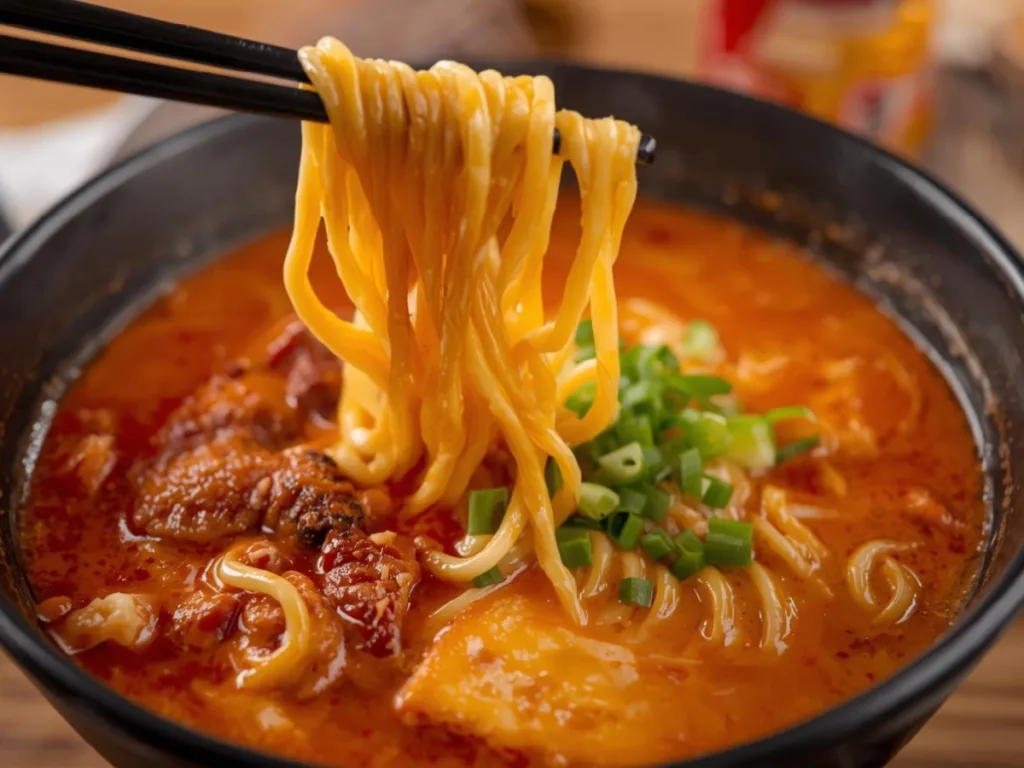
This recipe is a champion of the budget-friendly kitchen. Utilizing canned meat and instant noodles allows you to create a high-volume meal without a high price tag. Buy your gochujang in larger tubs, as it has a long shelf life and can be used in numerous other dishes. To save even more, use whatever vegetables you have in the crisper drawer; zucchini, cabbage, and spinach all work beautifully in this spicy Korean soup. Managing your pantry this way ensures you can make a hot pot dish anytime.
Scaling for a Crowd
If you are hosting a larger group, this Korean Army Stew Recipe can easily be doubled. Use two separate pots or one very large, deep pot. When scaling up, ensure you maintain the ratio of seasoning paste to broth to keep the flavor consistent. For a party of ten, it is often more fun to have two pots going at once so everyone can reach the ingredients easily. This communal style of eating is what makes Korean cuisine so engaging for large families.
Weeknight Workflow Planner
To make this a quick weeknight dinner, start by boiling the water for your broth while you slice your proteins. Arrangement takes less than five minutes if your kimchi is already chopped. By using a single pot, you minimize cleanup, which is a major benefit for busy evenings. Plan to have all ingredients prepped before you turn on the stove, as the actual cooking process moves very quickly once the broth reaches a boil. This efficiency makes it a top choice for a fast, warm meal.
FAQs
Can I use different types of meat? Yes, as long as you avoid pork to follow this version, beef brisket and chicken are excellent. Is there a gluten-free option? You can use gluten-free noodles and ensure your gochujang is certified gluten-free. How do I make it more sour? Add a splash of kimchi juice or a teaspoon of rice vinegar to the broth. Can I skip the cheese? Absolutely, while it adds creaminess, the stew is delicious and traditional without it as well.
Love this recipe? Discover even more!
Explore my Pinterest boards for a world of delicious recipes, fresh ideas, and inspiring flavors. Click here and start pinning your next favorite dish! ➜https://www.pinterest.com/ElitesRecipes/
PrintCozy Up with This Easy Korean Army Stew Recipe
A rich, spicy, and savory Korean Army Stew Recipe (Budae Jjigae) made with beef brisket, mushroom ramen, and aged kimchi. Perfect for a cozy communal dinner.
- Prep Time: 15 minutes
- Cook Time: 20 minutes
- Total Time: 35 minutes
- Yield: 4 servings
- Category: Dinner
- Method: Simmered
- Cuisine: Korean
Ingredients
1 lb beef brisket, thinly sliced
2 packs mushroom ramen or instant noodles
1 can canned chicken or turkey ham
4 beef franks, sliced
1 cup aged kimchi, chopped
1 block tofu, sliced
1 cup shiitake and enoki mushrooms
1/2 cup Korean rice cakes
4 cups beef broth
2 tbsp gochujang
1 tbsp gochugaru
1 tbsp soy sauce
1 tsp sugar
2 cloves garlic, minced
2 green onions, sliced
1 slice American cheese
Instructions
1. Mix gochujang, gochugaru, soy sauce, sugar, and garlic for the paste.
2. Arrange meat, kimchi, tofu, and mushrooms in a shallow pot.
3. Add the seasoning paste and pour in the beef broth.
4. Bring to a boil and simmer for 10 minutes until meat is cooked.
5. Add ramen noodles and cook for 3-4 minutes.
6. Top with cheese and green onions, then serve hot.
Notes
Use aged kimchi for the best sour and spicy depth.
Beef brisket can be swapped for thinly sliced ribeye.
Keep extra broth on hand as noodles absorb liquid quickly.